
The Journal
Entries on the artists, the books and the plates of our collection, and on living with them. Each one begins with the facts.
50 entrieson 13 artists and their books
8What is The Birds of America?
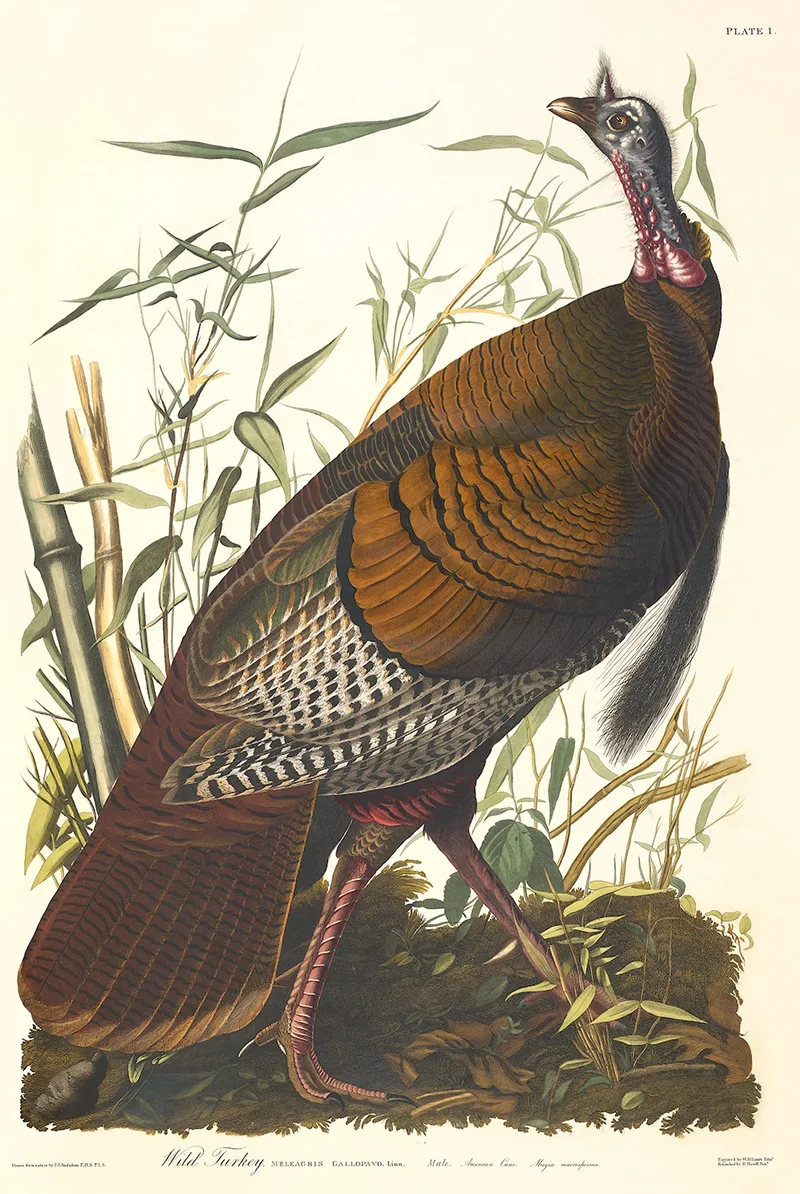
Audubon’s 435 life-size plates took eleven years to engrave and colour by hand. Here is what the book is, how it was made, why it matters, and why a copy in Haarlem matters to us.
- Work
- The Birds of America
- Artist
- John James Audubon, 1785–1851
- Published
- London, 1827–1838
- Plates
- 435, hand-coloured
- Format
- Double Elephant Folio
- Original
- Teylers Museum, Haarlem
Artists and works
Who the artists were and what their great books are: the originals behind every print, grouped by artist.
- 2John Gould and Darwin's finchesIn January 1837 John Gould told the Zoological Society that the small birds Charles Darwin had brought back from the Galápagos were not blackbirds, grosbeaks and finches but twelve new species of a single group of ground finches, found nowhere else. It was a step on the road to the theory of evolution by natural selection.John Gould
3 min to read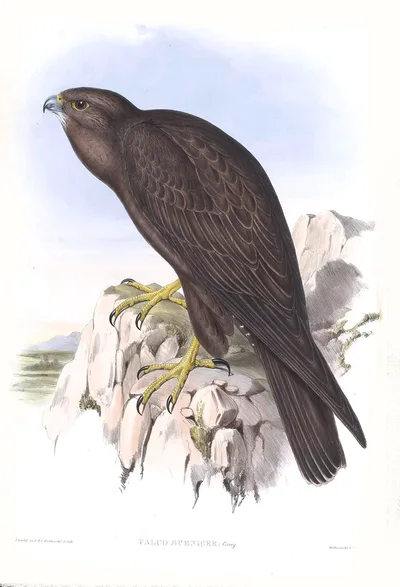
- 8What is The Birds of America?Audubon’s 435 life-size plates took eleven years to engrave and colour by hand. Here is what the book is, how it was made, why it matters, and why a copy in Haarlem matters to us.John James Audubon
The Birds of America
7 min to read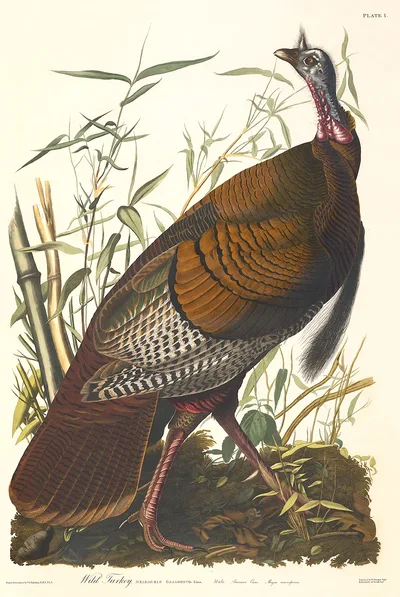
- 9Who was John James Audubon?Born in Haiti, raised in France and sent to America at eighteen, John James Audubon spent the rest of his life finding and drawing birds. The result was The Birds of America, the most famous bird book ever made.John James Audubon
The Birds of America
4 min to read - 10Who was John Gould?John Gould (1804 to 1881) never drew a finished plate himself. A gardener's son who began as a taxidermist, he sketched the birds, ran a team of artists and lithographers, and published nearly 3,000 hand-coloured plates in more than forty volumes.John Gould
6 min to read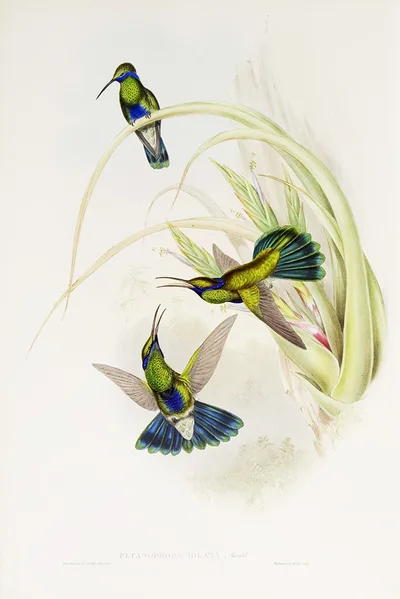
- 11What books did John Gould publish?John Gould published more than forty volumes with nearly 3,000 hand-coloured lithographs between 1830 and his death in 1881, and his assistant finished the last two. Here is each book in order, with its years, its plates and what we offer from it.John Gould
6 min to read - 12What is Thornton’s The Temple of Flora?The Temple of Flora is Robert John Thornton’s book of flowers set in landscapes, published in London between 1799 and 1807. Here is what it is, who painted and printed it, which plates people ask for most, and the thirty we offer as facsimiles.Robert John Thornton
The Temple of Flora
4 min to read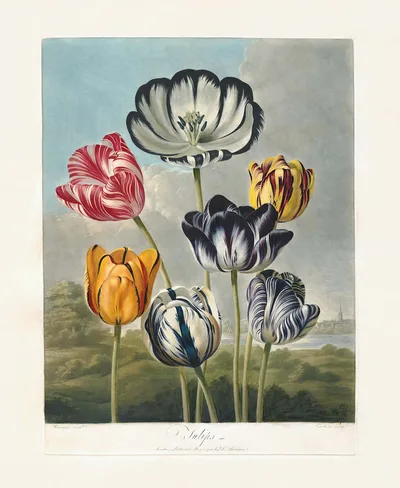
- 13Who was Robert John Thornton?Robert John Thornton (1768 to 1837) was a London physician who spent an inheritance on one of the loveliest flower books ever printed, held a lottery to save it, and died poor. This is his life.Robert John Thornton
The Temple of Flora
3 min to read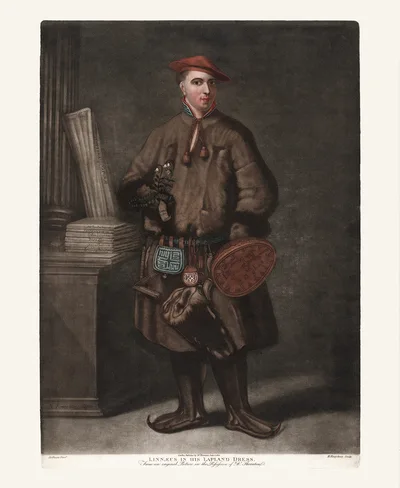
- 14What is Redouté’s Les Roses?Les Roses is Pierre-Joseph Redouté’s book of 170 rose portraits, published in Paris in thirty instalments between 1817 and 1824 and bound in three volumes. Where the roses came from, how the plates were printed in colour, and the 99 we offer as facsimiles.Pierre-Joseph Redouté
3 min to read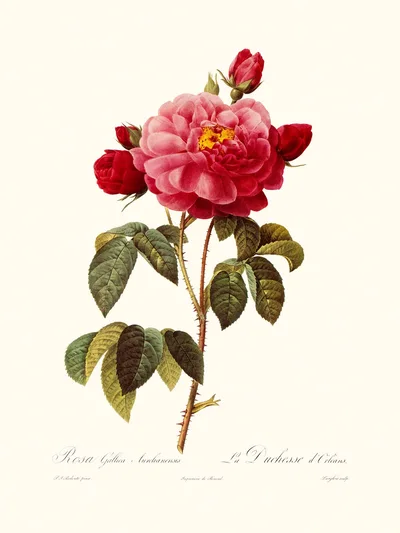
- 15Who was Pierre-Joseph Redouté?Pierre-Joseph Redouté (1759 to 1840) came from a family of painters in the Ardennes, painted flowers for a queen and an empress, and made the roses that everyone knows. His life, his method and Les Roses.Pierre-Joseph Redouté
4 min to read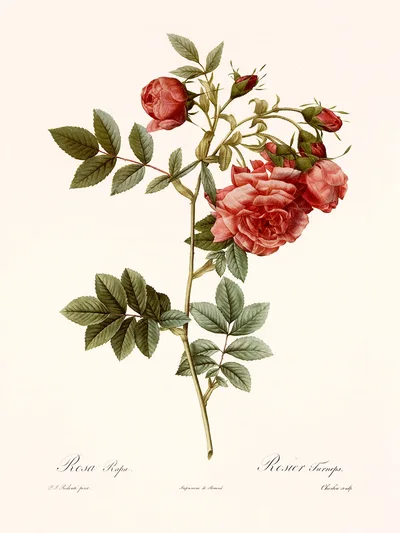
- 16Who was Edward Donovan?Edward Donovan (1768 to 1837) was an Irish-born naturalist, collector and illustrator who wrote, drew and coloured his own books. Three of them, on the insects of China, India and New Holland, are among the most beautiful insect books of their age.Edward Donovan
3 min to read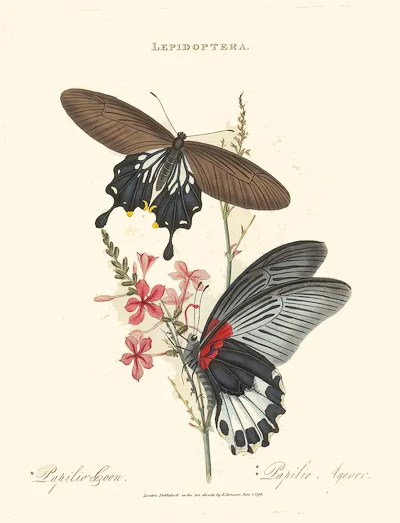
- 17What is Travels in the Interior of North America?Travels in the Interior of North America is Prince Maximilian of Wied's account of his journey up the Missouri in 1832 to 1834, published with an atlas of 81 aquatints after the watercolours of Karl Bodmer. It is the fullest picture we have of the Plains peoples before the epidemics and the settlers.Karl Bodmer
Travels in the Interior of North America (in colour)
3 min to read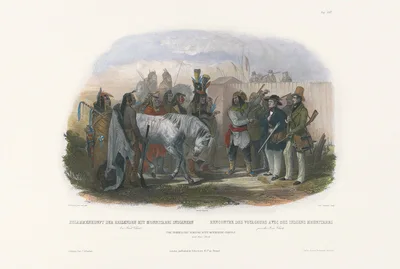
- 18Who was Karl Bodmer?Karl Bodmer (1809 to 1893) was a Swiss painter and printmaker who, at 23, joined Prince Maximilian of Wied's expedition up the Missouri and painted the landscapes and the Plains peoples they met in 1833 and 1834. His watercolours became the 81 aquatints of Travels in the Interior of North America.Karl Bodmer
Travels in the Interior of North America (in colour)
4 min to read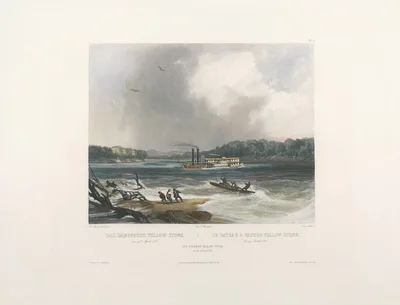
- 19What are Piranesi’s Carceri d’Invenzione?The Carceri d’Invenzione are sixteen etchings of prisons that never existed, made by Piranesi around 1750 and reworked, deeper and darker, in 1761. Here is what they show, why there are two versions, and how our facsimiles are made.Giovanni Battista Piranesi
Carceri d’Invenzione
3 min to read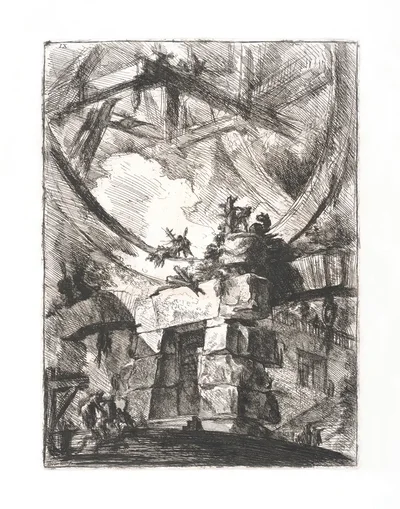
- 20What are Piranesi’s Vedute di Roma?Le Vedute di Roma are Piranesi’s views of Rome: about 135 large etchings of ruins, churches, fountains and squares, made from about 1748 until his death in 1778 and sold to travellers on the Grand Tour. What they show, how he made them, and how our facsimiles are made.Giovanni Battista Piranesi
Le Vedute di Roma
3 min to read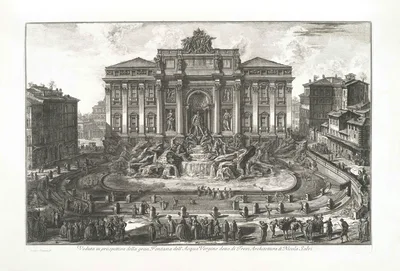
- 21Who was Giovanni Battista Piranesi?Giovanni Battista Piranesi (1720 to 1778) was a Venetian architect who built almost nothing and etched almost everything: the ruins, churches and squares of Rome, and sixteen prisons that never existed.Giovanni Battista Piranesi
4 min to read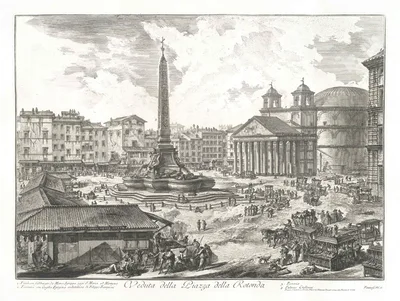
- 22Who was Jean Théodore Descourtilz?Jean Théodore Descourtilz (about 1796-1855) was a French doctor, painter and ornithologist who lived in Brazil, painted its birds among the plants they feed on, and died there of the arsenic he used to preserve his specimens.Jean Théodore Descourtilz
2 min to read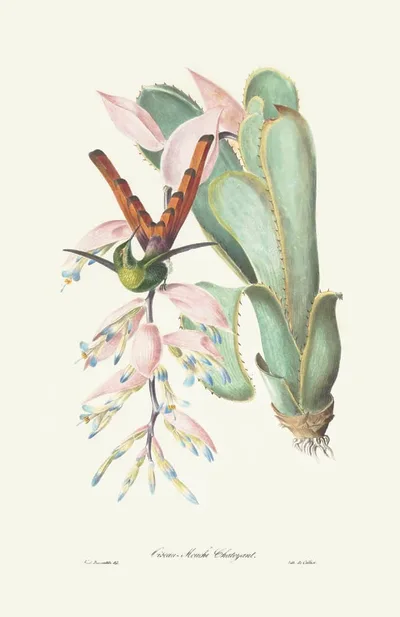
- 23What is Descourtilz's Oiseaux brillans du Brésil?Oiseaux brillans du Brésil, the Brilliant Birds of Brazil, is a book of 60 hand-coloured lithographs published in Paris in 1834 by Jean Théodore Descourtilz, a French doctor and painter living in Brazil. Each plate shows a bird, usually a single species, among the plants that feed and shelter it.Jean Théodore Descourtilz
Brilliant Birds of Brazil
3 min to read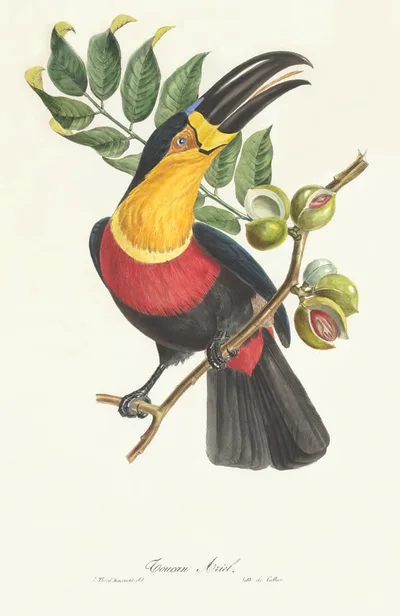
- 24Who was François Levaillant?François Levaillant (1753-1824) was a French naturalist and explorer, born in Paramaribo, who travelled in southern Africa and then published the most lavish bird books of his age: the birds of Africa, the parrots, and the birds of paradise and toucans, all painted by Jacques Barraband.François Levaillant
3 min to read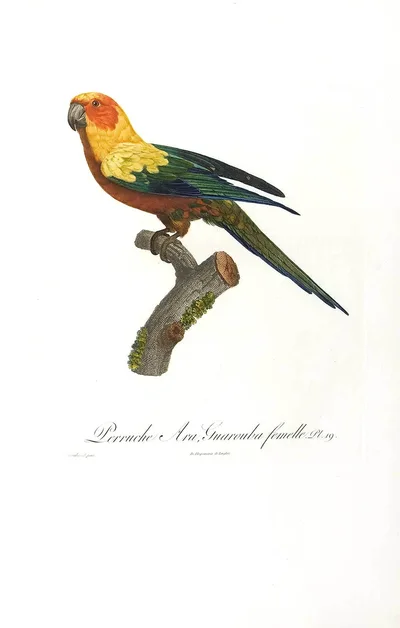
- 25What is Merian's Metamorphosis Insectorum Surinamensium?Metamorphosis insectorum Surinamensium is Maria Sibylla Merian's book of the insects of Suriname, published in Amsterdam in 1705: hand-coloured copper engravings of caterpillars, butterflies, moths and other creatures on the plants they live on, drawn during her two years in the colony. Our 72 prints follow the second edition of 1719.Maria Sibylla Merian
Metamorphosis Insectorum Surinamensium
3 min to read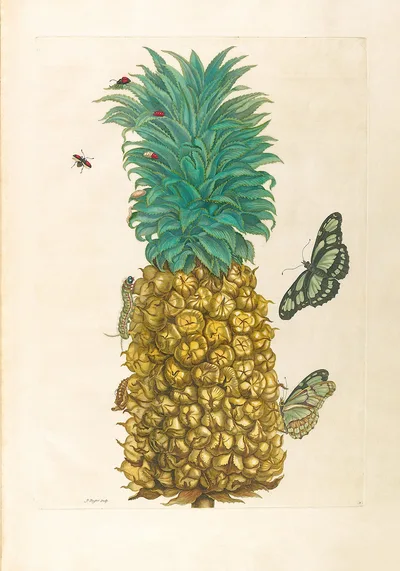
- 26Who was Maria Sibylla Merian?Maria Sibylla Merian (1647 to 1717) was a German-born artist and naturalist who drew caterpillars, their food plants and the butterflies they became, and who sailed to Suriname at 52 to do it in the tropics. This is her life, in brief.Maria Sibylla Merian
Metamorphosis Insectorum Surinamensium
3 min to read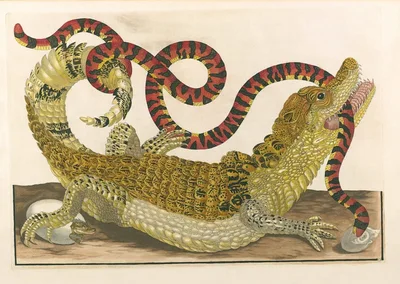
- 27Who was Jacques Barraband?Jacques Barraband (1767-1809) was a French painter of birds and flowers, trained at the Gobelins tapestry works, who painted the parrots, toucans and birds of paradise of François Levaillant's books and is counted the finest bird painter of his time in France.François Levaillant
2 min to read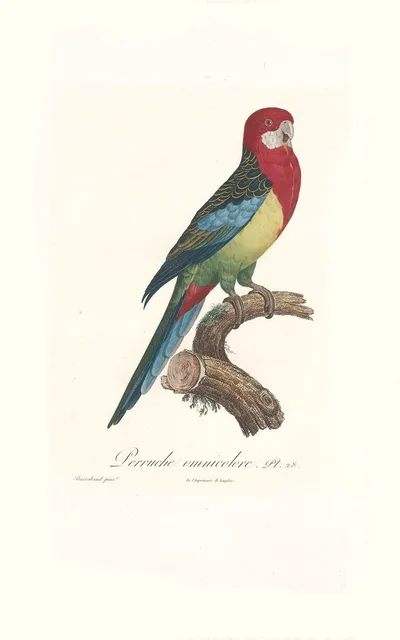
- 28Who was Hermann Schlegel?Hermann Schlegel (1804-1884) was a German-born zoologist who ran the natural history museum in Leiden, drew his own plates and wrote two of the finest Dutch bird books: the Traité de fauconnerie and De Toerako's.Hermann Schlegel
3 min to read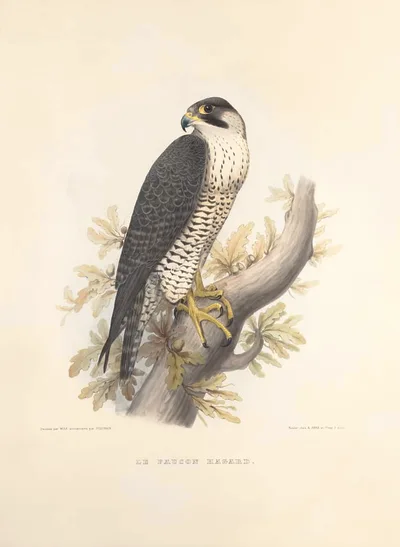
- 29What is Schlegel's Traité de fauconnerie?The Traité de fauconnerie is a study of falconry issued in parts between 1844 and 1853 by Hermann Schlegel and his friend Verster van Wulverhorst, with life-size hawks drawn by Joseph Wolf. Harting called it the finest work on falconry ever produced.Hermann Schlegel
Traité de fauconnerie
3 min to read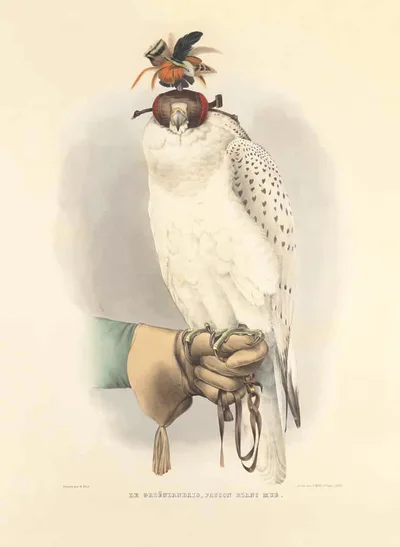
- 30What is De Toerako's, Schlegel's book of turacos?De Toerako's is a Dutch book of 1860 by Hermann Schlegel and Gerardus Frederik Westerman of the Amsterdam zoo Artis, with all 17 turaco species then known in life-size, hand-coloured lithographs, drawn where possible from living birds in the zoo.Hermann Schlegel
De Toerako's
3 min to read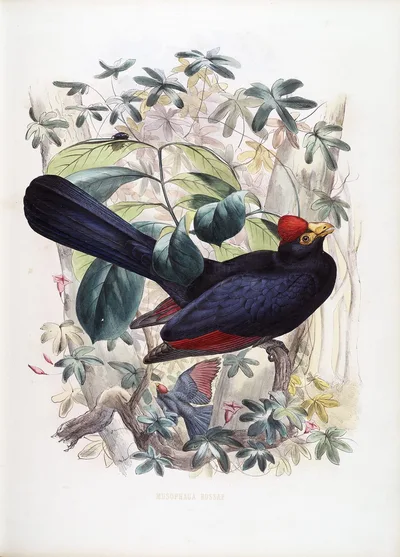
- 31Who was Cornelius Nozeman?Cornelius Nozeman (1720 to 1786) was a Remonstrant minister in Alkmaar, Haarlem and Rotterdam who spent his free hours on butterflies, birds and horsetails. With the engraver Christiaan Sepp and the publisher Jan Christiaan Sepp he began Nederlandsche Vogelen, the first full account of the birds of the Netherlands.Cornelius Nozeman
Nederlandsche Vogelen
3 min to read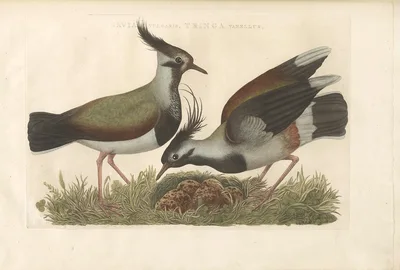
- 32What is Nederlandsche Vogelen (Dutch Birds)?Nederlandsche Vogelen, Dutch Birds, is the first comprehensive account of the birds of the Netherlands: five volumes with 250 hand-coloured copper engravings, published in Amsterdam between 1770 and 1829. Cornelius Nozeman wrote the first volumes and three generations of the Sepp family drew, engraved and published the plates.Cornelius Nozeman
Nederlandsche Vogelen
3 min to read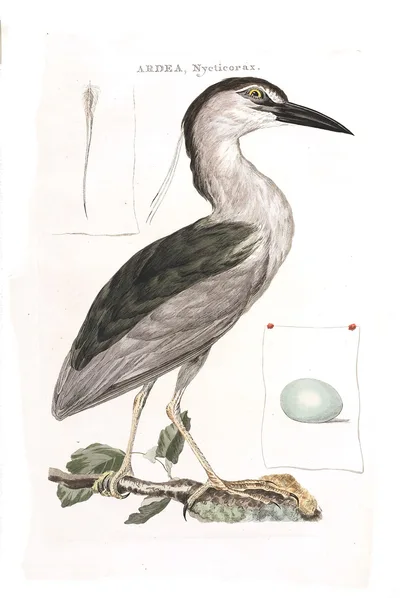
- 33Who was Daniel Giraud Elliot?Daniel Giraud Elliot (1835 to 1915) was a New York zoologist with the money and the eye to commission the finest bird art since Audubon. Between 1861 and 1883 he published six large monographs of birds and cats, drawn by Joseph Wolf, Joseph Smit and J.G. Keulemans, and the first of them he largely drew himself.Daniel Giraud Elliot
5 min to read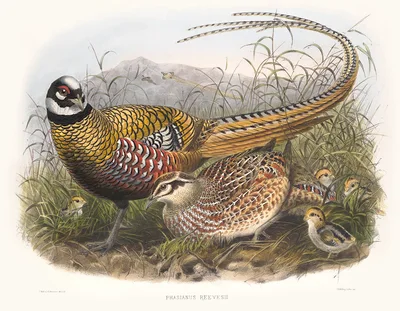
- 34What is Elliot's Family of the Ant Thrushes?A Monograph of the Pittidae, or Family of Ant Thrushes (1861 to 1863) was Daniel Giraud Elliot's first book: 31 hand-coloured plates of pittas, 24 of them drawn by Elliot himself, each bird in motion and each plate with a flowering plant.Daniel Giraud Elliot
Family of the Ant Thrushes
2 min to read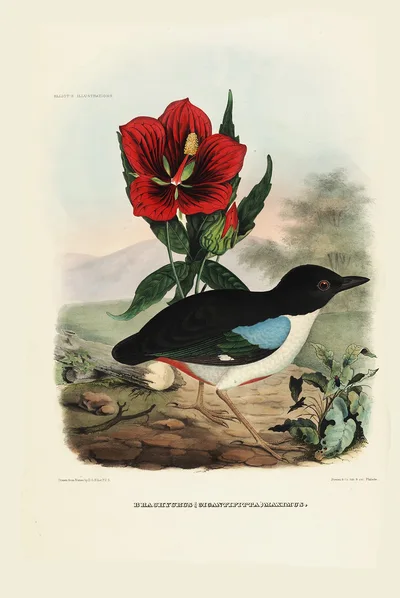
- 35What is Elliot's Birds of Paradise?A Monograph of the Paradiseidae, or Birds of Paradise (1873) is Daniel Giraud Elliot's book of the birds of paradise and bowerbirds of New Guinea and Australia: 36 hand-coloured plates drawn by Joseph Wolf, put on stone by Joseph Smit and coloured by J.D. White, who had to paint the metallic sheen of the plumage by hand.Daniel Giraud Elliot
Birds of Paradise
3 min to read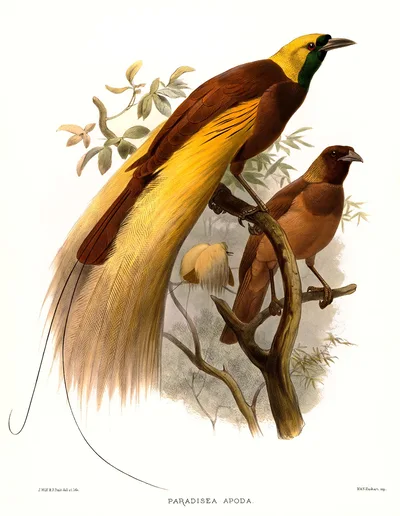
- 36What is Elliot's Family of the Grouse?A Monograph of the Tetraoninae, or Family of the Grouse (1864 to 1865) is Daniel Giraud Elliot's second monograph: 27 hand-coloured plates, 25 of them by Joseph Wolf and two of eggs by William S. Morgan, published while Elliot feared that some North American grouse were about to disappear.Daniel Giraud Elliot
Family of the Grouse
2 min to read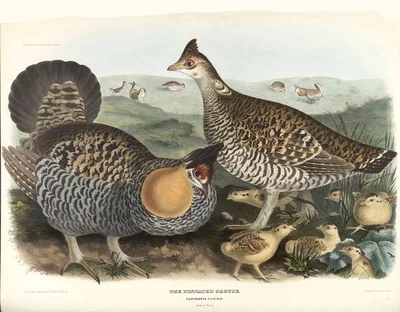
- 37What is Elliot's Family of the Hornbills?A Monograph of the Bucerotidae, or Family of the Hornbills (1877 to 1882) was the first book devoted to the hornbills: 60 lithographed plates, 57 of them hand-coloured after J.G. Keulemans and three uncoloured by Joseph Smit, published by Daniel Giraud Elliot.Daniel Giraud Elliot
Family of the Hornbills
3 min to read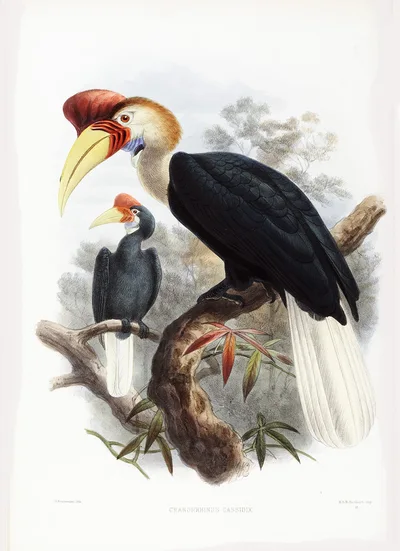
- 38What is Elliot's Family of the Pheasants?A Monograph of the Phasianidae, or Family of the Pheasants (1870 to 1872) is Daniel Giraud Elliot's largest bird book: two volumes with 81 lithographed plates, 79 of them hand-coloured, by Joseph Wolf, Joseph Smit and J.G. Keulemans, each bird in its own landscape. Many call it his finest.Daniel Giraud Elliot
Family of the Pheasants
2 min to read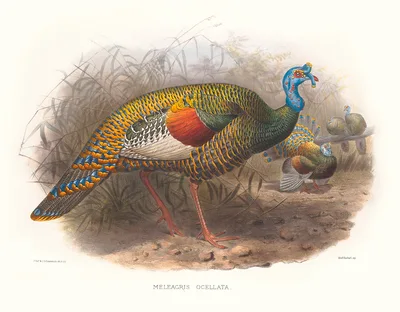
- 39What is A Century of Birds from the Himalaya Mountains?A Century of Birds from the Himalaya Mountains is John Gould's first book: 80 hand-coloured lithographs of a hundred Himalayan birds, issued in 20 monthly parts from 1830 and published by Gould himself. His wife Elizabeth drew every plate on stone.John Gould
A Century of Birds from the Himalaya Mountains
3 min to read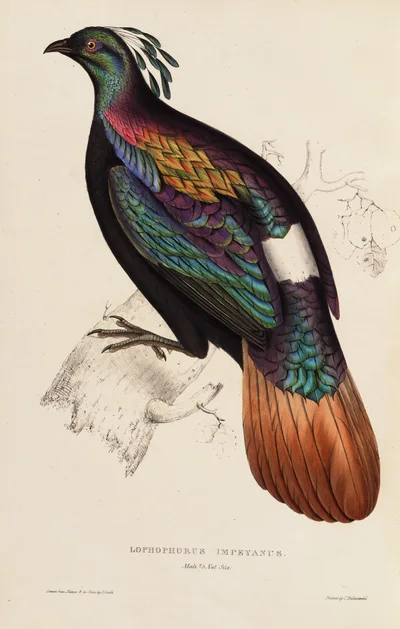
- 40What is John Gould's The Birds of Asia?The Birds of Asia is John Gould's longest undertaking: 530 hand-coloured lithographs in seven volumes, issued in 35 parts over 34 years, from 1849 to 1883, and finished by Richard Bowdler Sharpe after Gould's death.John Gould
Birds of Asia
3 min to read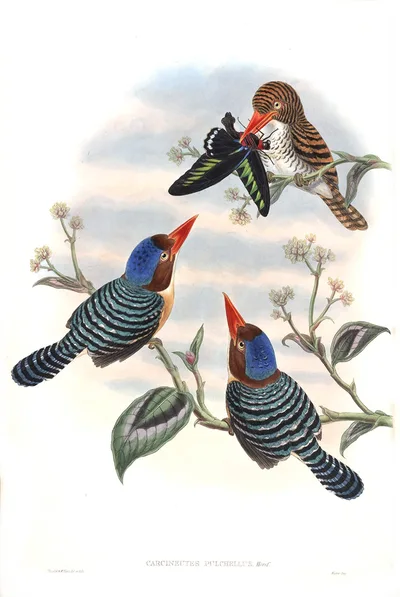
- 41What is John Gould's The Birds of Great Britain?The Birds of Great Britain is John Gould's book on the birds of his own country: 367 hand-coloured lithographs in five volumes, published by Gould himself in 25 parts between 1862 and 1873, with nests, eggs and young on a scale no bird book had tried before.John Gould
Birds of Great Britain
4 min to read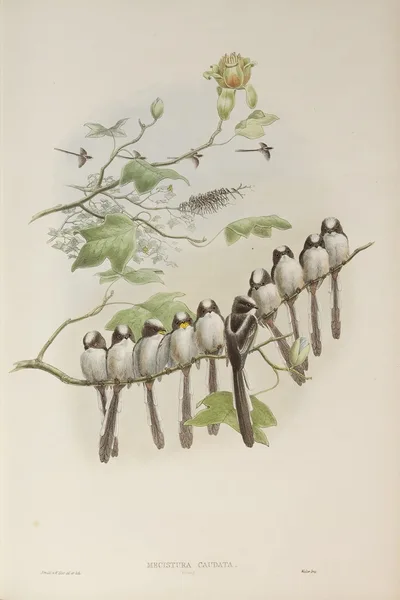
- 49What is Gould's Family of Hummingbirds?A Monograph of the Trochilidae, or Family of Humming-Birds is John Gould's book of the hummingbirds: five volumes with 360 hand-coloured lithographs, published in London in parts between 1849 and 1861. Most plates show two or three birds among flowers or leaves, one of them turned or in flight so that its throat catches the light. Hummingbirds were Gould's lifelong passion, and this is the most delicate of his books.John Gould
Family of Hummingbirds
4 min to read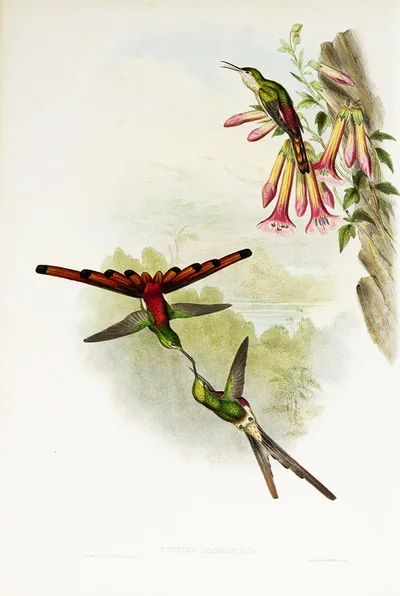
- 50What is Levaillant's Histoire naturelle des Perroquets?Histoire naturelle des perroquets (Natural history of parrots) is François Levaillant's book of the parrots of the world, published in Paris between 1801 and 1805: two volumes with 145 stipple engravings after paintings by Jacques Barraband, printed in colour and finished by hand. It is one of the great parrot books, and the work on which Barraband's fame rests.François Levaillant
Histoire naturelle des Perroquets
4 min to read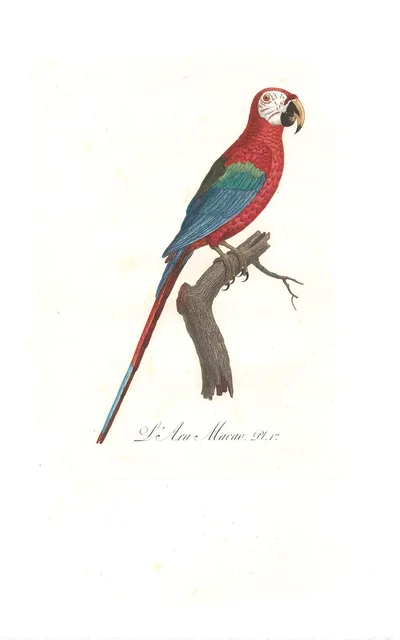
Stories behind the plates
Single plates and what they show: Audubon’s extinct birds, his herons and birds of prey, and how he worked.
- 3Audubon’s largest plates: the big birds at life sizeThe flamingo, the swans, the pelicans and the wild turkey fill a double elephant folio sheet from edge to edge. Which plates are the big ones, why the birds twist, and how a print a metre tall hangs on a wall.John James Audubon
The Birds of America
4 min to read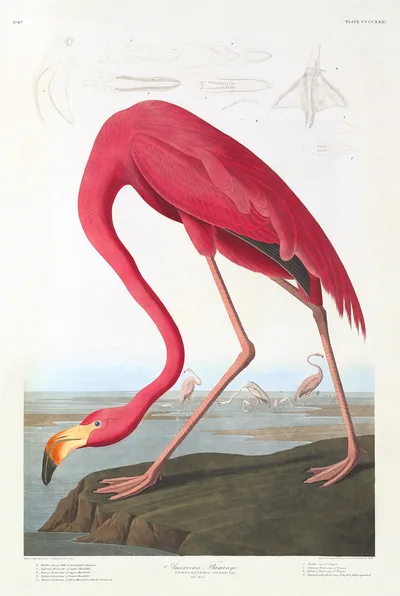
- 4Audubon’s Wild Turkey: the story of plate 1The first plate a subscriber unpacked in 1827 was a cock turkey, life size, stepping into the cane. Why Audubon opened with this bird, how he fitted it on the sheet, and what the gold in his watercolour has to do with the print.John James Audubon
The Birds of America
3 min to read - 5Audubon’s herons: how he fitted big birds on the pageA Great Blue Heron stands taller than the sheet it was printed on. Audubon’s answer was to let his herons stoop, twist and hunt, and the result is some of the most alive plates in The Birds of America.John James Audubon
The Birds of America
3 min to read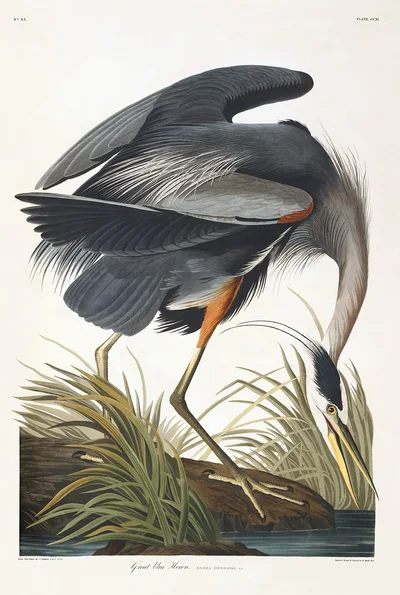
- 6Audubon’s birds of prey and the missing hunterIn Audubon’s watercolour of the Golden Eagle a tiny hunter crosses a log above a ravine, a rifle and a dead bird on his back. On Havell’s printed plate he is gone. Nobody knows why.John James Audubon
The Birds of America
4 min to read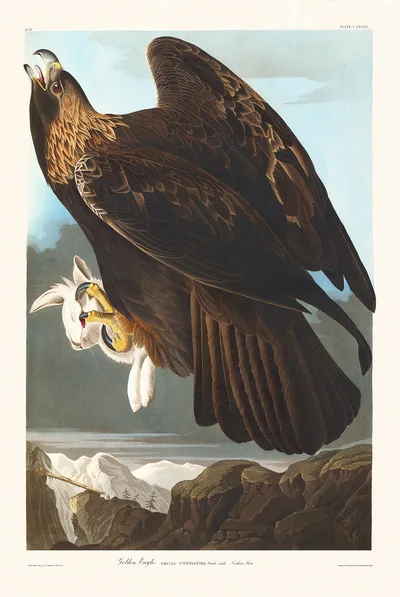
- 42The birds that exist only in Audubon’s bookAudubon watched flocks darken the noon sky and wrote down what he saw. Within a century, four of the birds he drew were gone. This is their story, as far as possible in his own words.John James Audubon
The Birds of America
7 min to read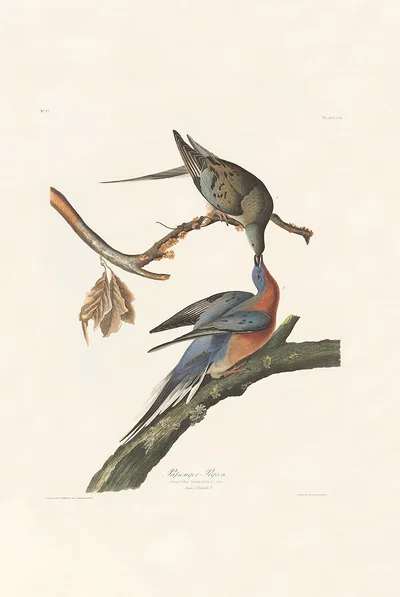
- 47Piranesi’s Rome: the monuments in the Vedute di RomaPiranesi’s views of Rome carry Italian titles, often with the names Romans used in the eighteenth century: the Colosseum is the Anfiteatro Flavio, the Forum is Campo Vaccino, Castel Sant’Angelo is the Mausoleo d’Elio Adriano. Below, each famous monument with the plates in which he shows it, among them six of St Peter’s, five of the Colosseum, four of the Pantheon and two of the Trevi Fountain.Giovanni Battista Piranesi
Le Vedute di Roma
7 min to read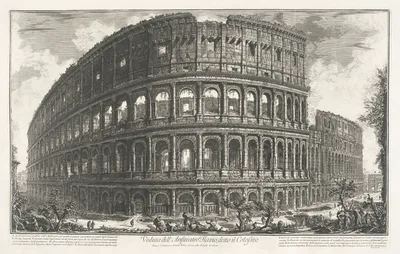
Guides
Practical answers for buyers: giclée or poster, how to frame a print and how to hang it.
- 1Giclée print or poster: what is the difference?A poster is printed with ordinary inks on thin, acidic paper, and it fades and yellows. A giclée is printed with archival pigment inks on acid-free art paper, and lasts more than 100 years under good conditions. Here is how to tell the two apart, and what a facsimile adds.4 min to read
- 43How to frame and hang your printEvery print leaves us unframed, rolled in a tube. Here is how to turn it into something that hangs well and lasts, in ten steps you can take to any framer.5 min to read
- 46How to frame an Audubon print at full sizeA full-size Audubon print is a sheet of 67 by 100 centimetres (26½ by 39¼ inches), larger than any ready-made frame. It needs a frame made to measure, roughly 85 by 120 centimetres (33½ by 47 inches) or more on the outside depending on the mat, an acid-free mat or float mount, UV-filtering acrylic rather than glass to keep the weight down, and two hooks rated for that weight, with the centre about 150 centimetres (60 inches) from the floor.John James Audubon
The Birds of America
5 min to read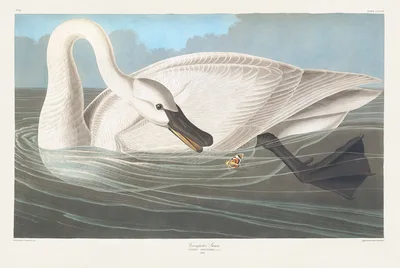
- 48The editions of The Birds of America: Havell, octavo and BienThe Birds of America was published in three historical editions. The Havell edition (London, 1827 to 1838) is the original: 435 engraved, hand-coloured plates on double elephant sheets of about 67 by 100 centimetres. The royal octavo edition (New York and Philadelphia, 1840 to 1844) shrank the birds to 500 small hand-coloured lithographs by J.T. Bowen, bound with the text. The Bien edition (New York, 1858 to 1860) set out to reprint the large plates in chromolithography and was stopped by the Civil War. Our facsimiles are made from the Havell edition in the Teylers Museum, Haarlem.John James Audubon
The Birds of America
5 min to read
Behind the scenes
How Re-Art makes our facsimiles and complete sets, commissions, and the places we work with.
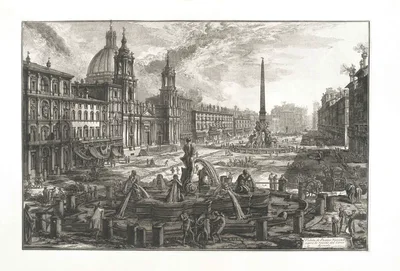
- 7Nolli’s 1748 map of Rome, printed in twelve sheetsA collector asked us for the great map of Rome that Giambattista Nolli published in 1748, at a resolution fine enough to read every courtyard. It is not in our catalogue, so we made it for him: twelve sheets, which he assembled himself.3 min to read
- 44Making a complete set: Elliot's Family of the CatsA collector asked for the whole of Elliot's A Monograph of the Felidae: 43 plates of lions, tigers, lynxes and small wild cats. Here is how Re-Art Special Art Productions made the set for us from the copy in the Teylers Museum, from the first photograph to the Solander box.Daniel Giraud Elliot
A Monograph of the Felidae
4 min to read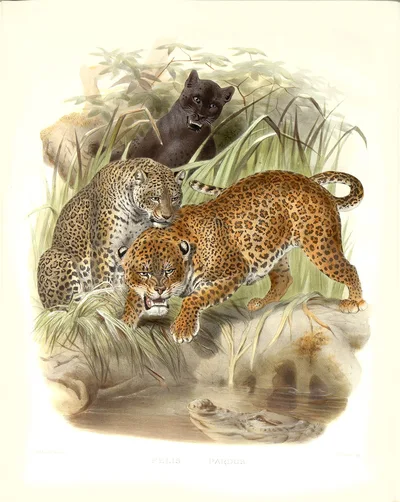
- 45Our visit to the Audubon House in Key WestOn 10 December 2024 we visited the Audubon House and Tropical Gardens at 205 Whitehead Street, Key West, where the museum shop sells our facsimiles of Audubon’s American Flamingo and American White Pelican. A short report.John James Audubon
The Birds of America
2 min to read
Index of names
Every artist in the Journal, with the numbers of the entries about them and their books.
- Audubon, John James1785-1851
- Bodmer, Karl1809-1893
- Descourtilz, Jean Théodore1796-1855
- Donovan, Edward1768-1837
- Elliot, Daniel Giraud1835-1915
- Gould, John1804-1881
- Levaillant, François1753-1824
- Merian, Maria Sibylla1647-1717
- Nozeman, Cornelius1720-1786
- Piranesi, Giovanni Battista1720-1778
- Redouté, Pierre-Joseph1759-1840
- Schlegel, Hermann1804-1884
- Thornton, Robert John1768-1837