
A museum in the Strand
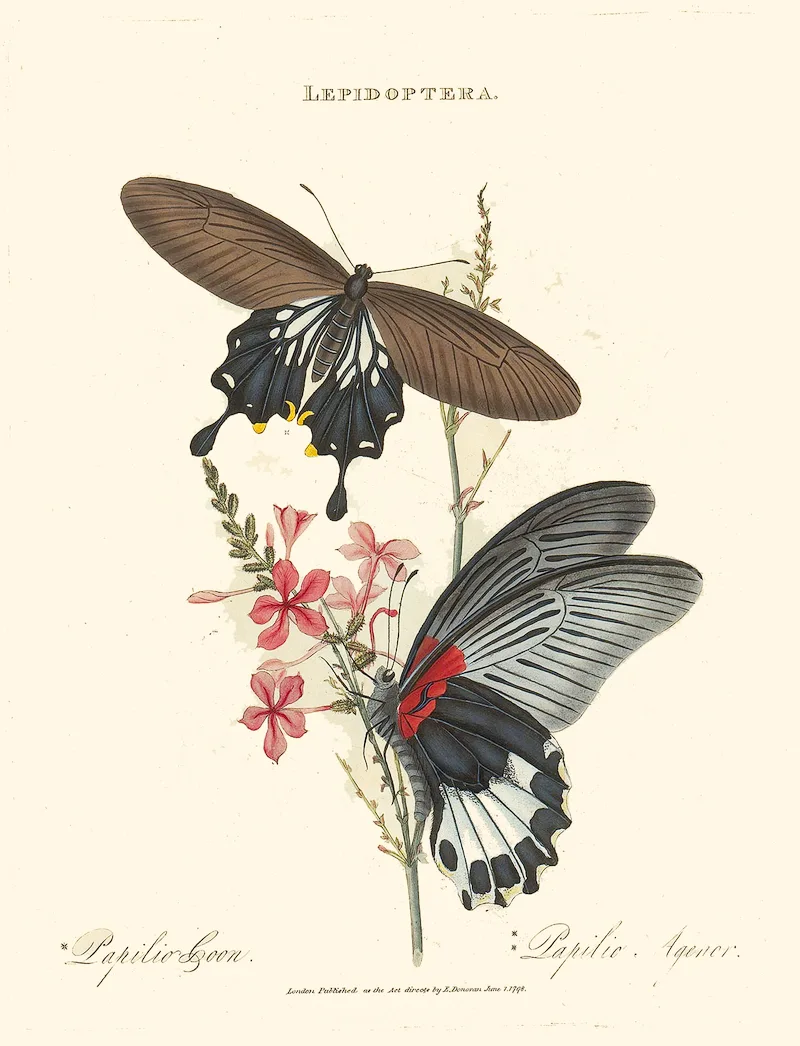
In 1807 a naturalist opened a museum of his own in Catherine Street, just off the Strand in London. Several hundred cases held birds, mammals, reptiles, fish, shells, corals and insects from all over the world, bought at the auctions of specimens brought home by voyages of exploration, next to everything he had collected himself in Britain. The London Museum and Institute of Natural History was the work of one man, Edward Donovan, and so were the books that paid for it.
Donovan (1768 to 1837) was born in Cork, in Ireland, and spent his working life in London. He was a writer, an illustrator and an amateur zoologist, and his first love was insects. We offer plates from the three books he devoted to the insects of other continents: The Insects of China (1798), The Insects of India (1800) and The Insects of New Holland (1805).
A naturalist who made his own books
Most natural history books of the time were the work of a team: an author, a draughtsman, an engraver and a workshop of colourists. Donovan did much of it himself. He drew the insects from the specimens in his cases, etched the plates, and coloured many of the impressions by hand, which is why his plates have a consistency that larger productions often lack.
He began with his own country. The Natural History of British Insects ran to sixteen volumes between 1792 and 1813, and was followed by British birds, fishes, shells and quadrupeds, all illustrated in colour. They sold well enough to fund the collection and, for a while, the museum.
The Insects of China, India and New Holland
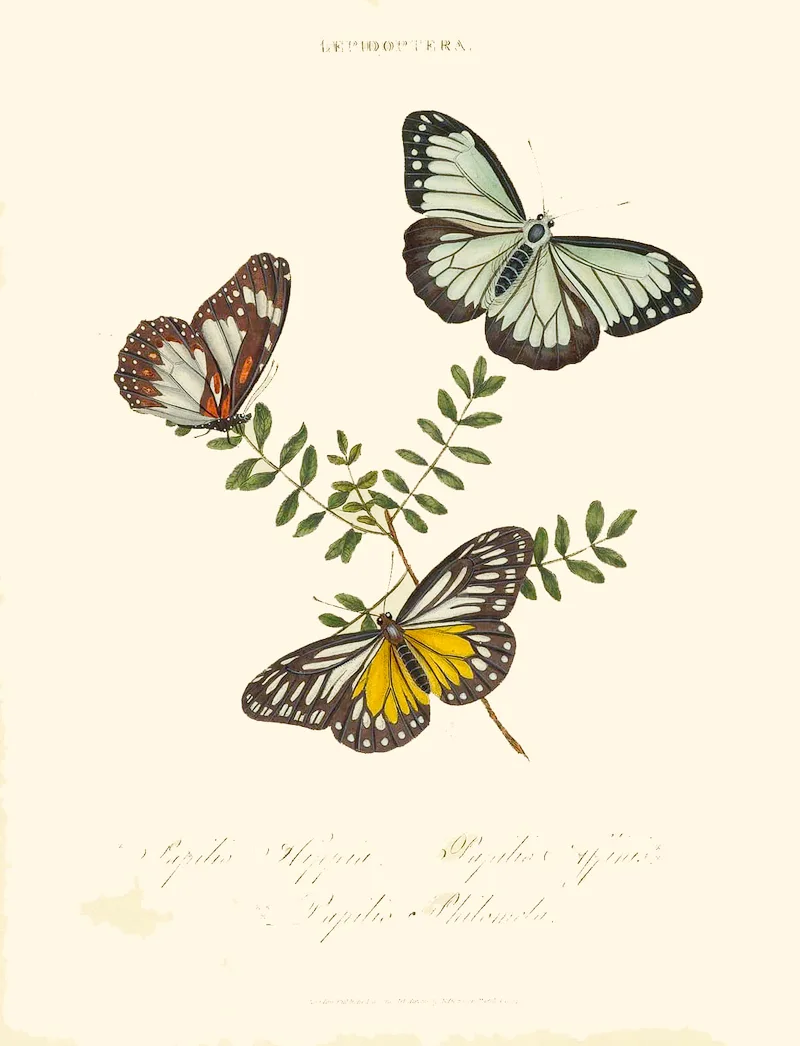
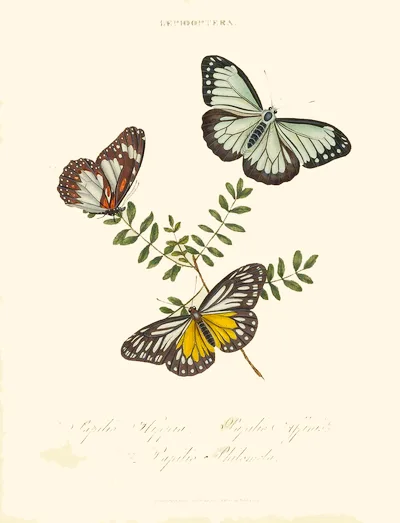
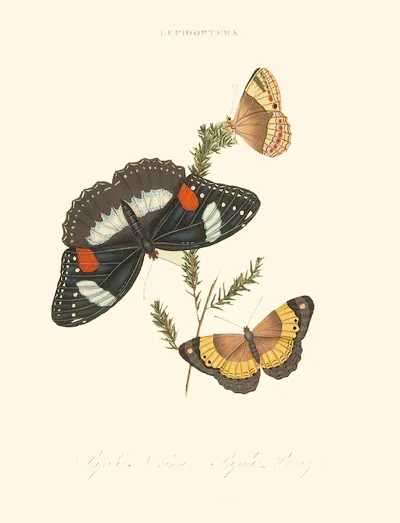
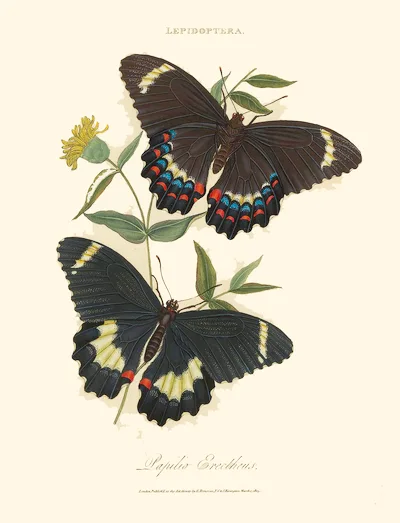
The three foreign books appeared in quick succession, each as An Epitome of the Natural History of the Insects of the country in question, with hand-coloured engravings of butterflies, moths, lantern flies, beetles and grasshoppers. Donovan chose species that had not been illustrated before, many of them not yet described, and he set each one against a flowering plant of its country, drawn as carefully as the insect.
That setting was new. Earlier insect books showed their specimens pinned against a blank page; Donovan composed a picture. The style was taken up by Victorian illustrators, among them Henry Noel Humphreys, and the three books were reissued in the 1840s.
The Insects of New Holland is dedicated to Sir Joseph Banks, who had sailed with Cook and whose collections and library Donovan used.
The collector who lost his collection
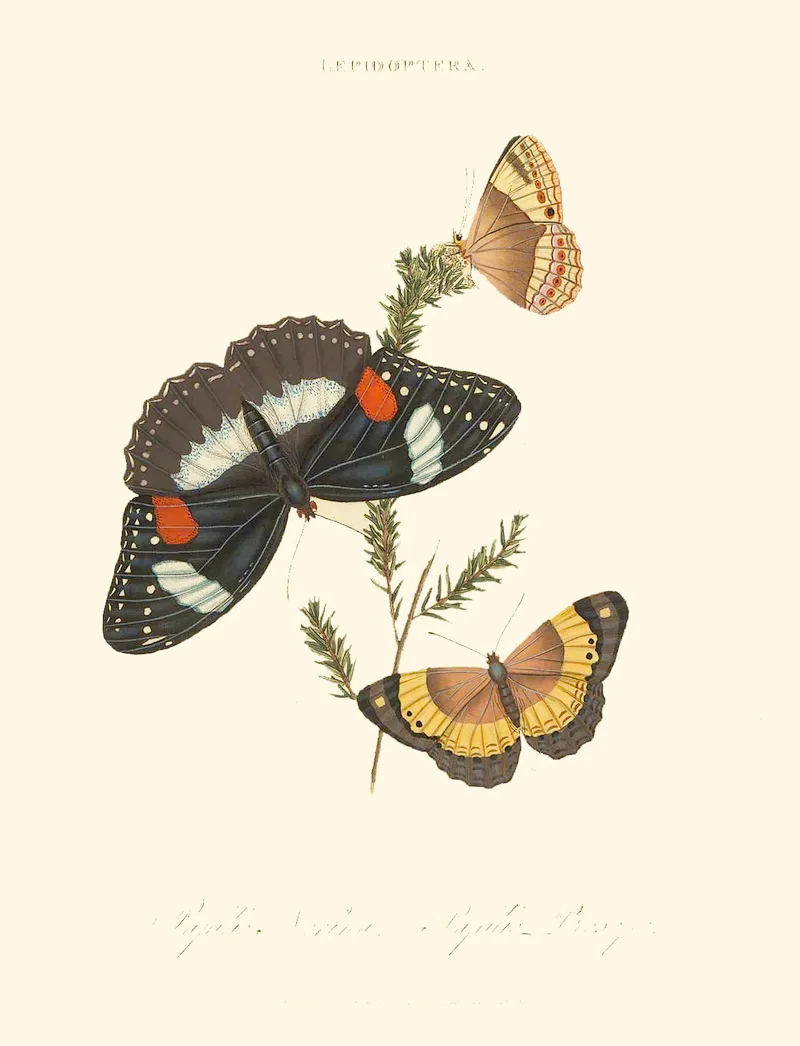
The museum did not last. It closed in 1817, and the collection was dispersed at auction the following year. Donovan blamed his publishers, whom he accused of keeping the profits of his books, and he spent his last years in a long dispute with them that he set out in print in 1833. He died in London in 1837, leaving a family in poverty and a shelf of books that have been collected ever since.
Donovan's plates today
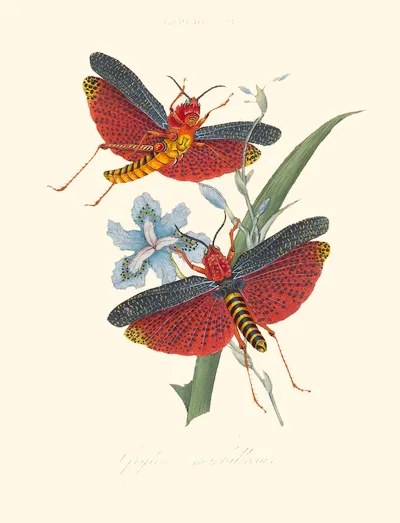
We offer 60 Donovan plates: 23 from The Insects of China, photographed from the copy in the library of the Teylers Museum in Haarlem, 19 from The Insects of India and 18 from The Insects of New Holland. Each is printed for us by Re-Art Special Art Productions in Almere, at the size of the original plate, in an edition of 250, numbered in pencil, embossed with our blind stamp and with a certificate of authenticity.
Browse them by book: The Insects of China, The Insects of India and The Insects of New Holland, or start with the artist page.
Four plates to start with
Questions
Who was Edward Donovan?
An Irish-born naturalist, illustrator and collector (1768 to 1837) who lived in London, drew and coloured his own natural history books, and opened the London Museum and Institute of Natural History in 1807.
What are Donovan's books on the insects of China, India and New Holland?
Three books of hand-coloured engravings, published in 1798, 1800 and 1805, showing tropical butterflies, moths and other insects, many never illustrated before, each set against a flowering plant of its country.
Why is The Insects of New Holland dedicated to Joseph Banks?
Donovan drew many of its Australian insects from Banks's collections and used his library; the dedication acknowledges that debt.