
Bird prints
Bird plates by eight naturalists, from Audubon’s life-size The Birds of America to Gould’s hummingbirds, Elliot’s pheasants and Levaillant’s parrots, first published between the 1740s and the 1880s. Each print is a facsimile giclée made from the originals, at the size of the original sheet, in a numbered edition of 250.
2,174 prints
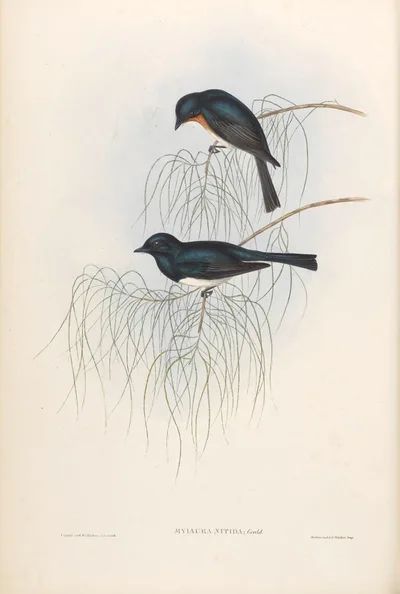
Shining Flycather
$185
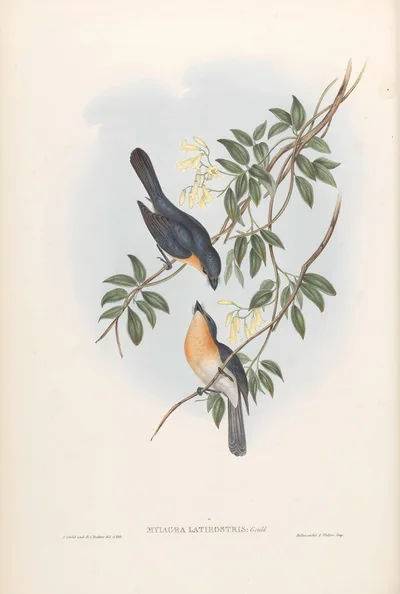
Broad-billed Flycather
$185
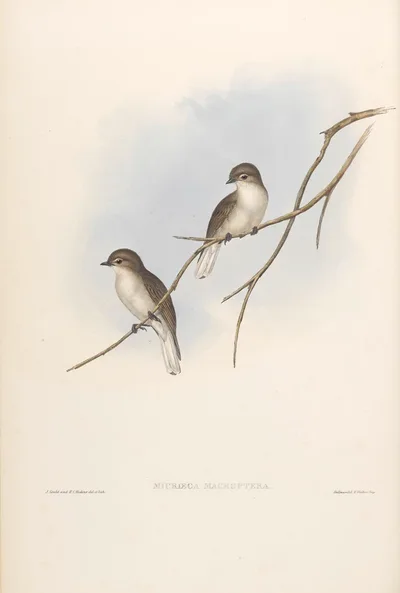
Great-winged Microeca
$185
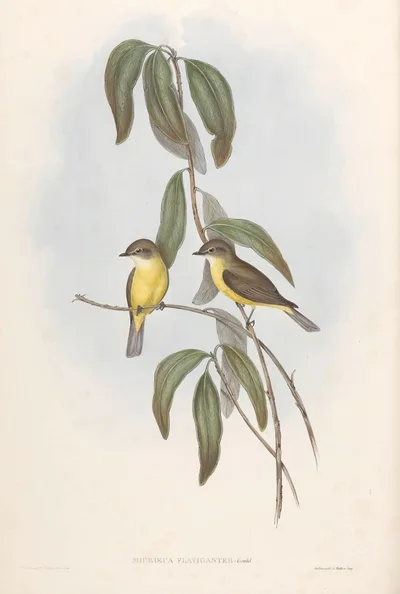
Yellow-bellied Microeca
$185
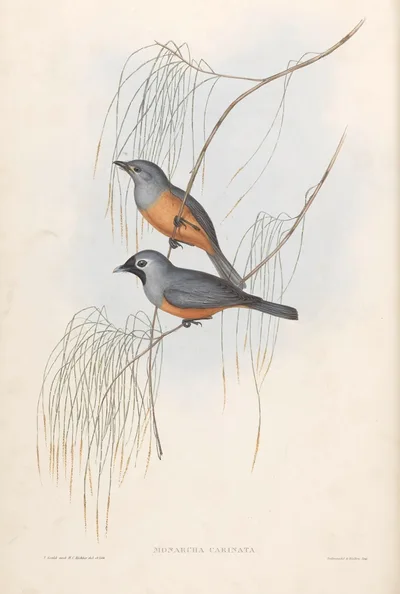
Carinated Flycatcher
$185
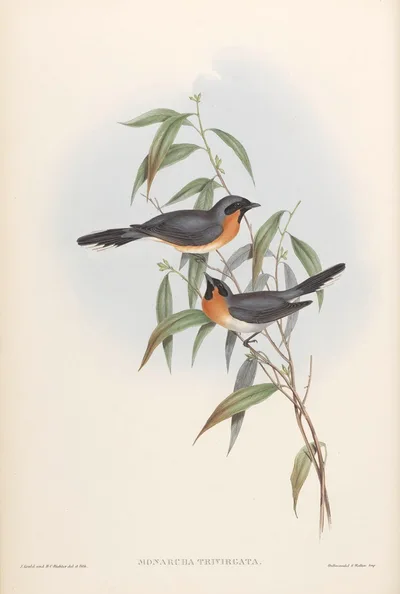
Black-fronted Flycatcher
$185
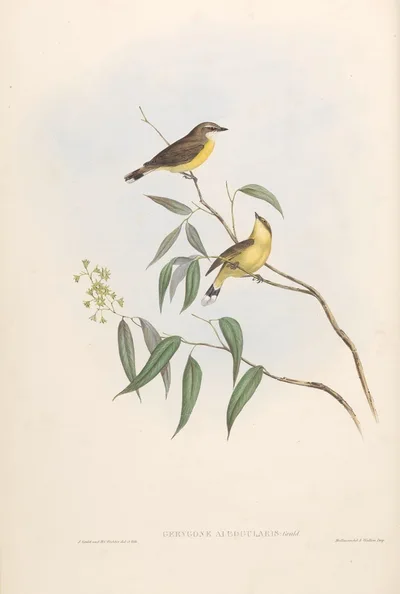
White-throated Flycatcher
$185
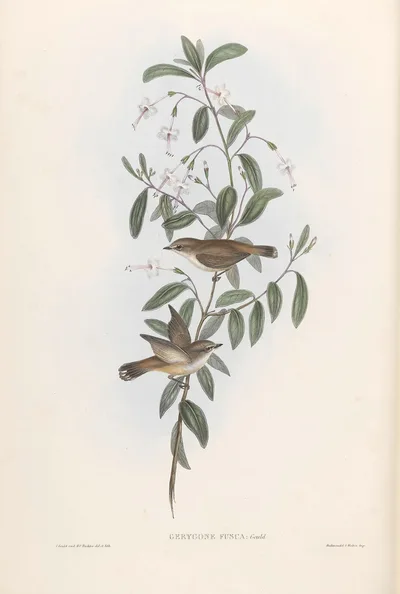
Fucous Gerygone
$185
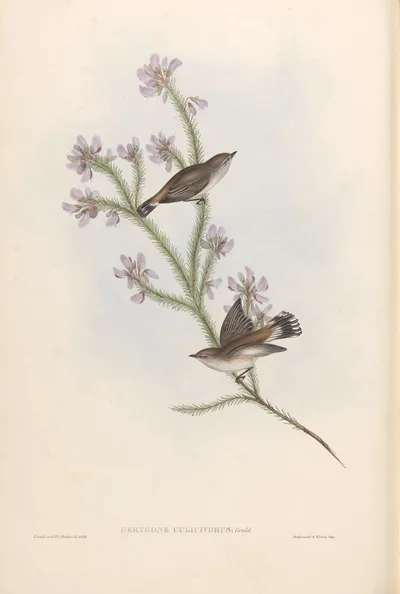
Western Gerygone
$185
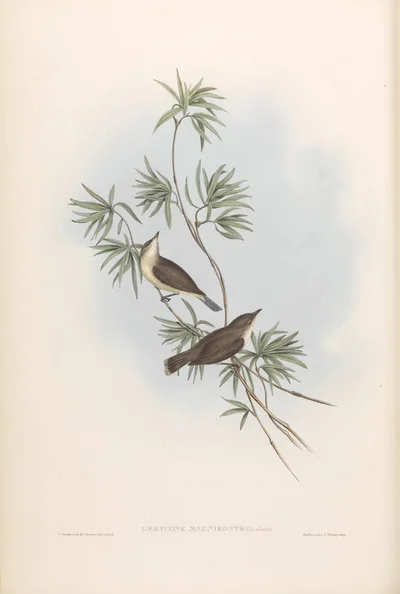
Great-billed Gerygone
$185
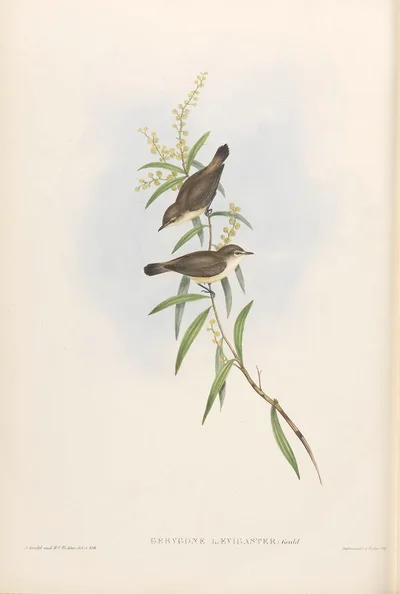
Buff-breasted Gerygone
$185
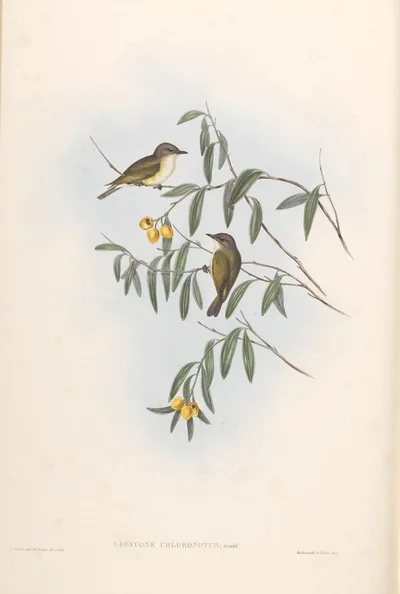
Green-backed Gerygone
$185
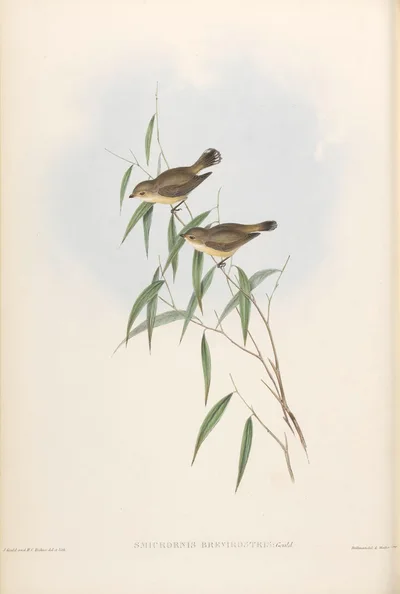
Short-billed Smicrornis
$185
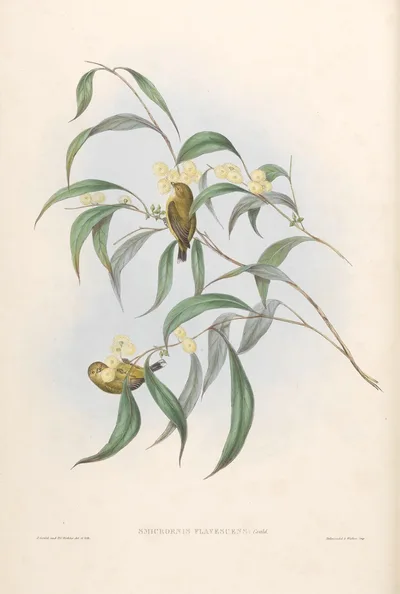
Yellow-tinted Smicrornis
$185
About bird prints
Our bird plates cover more than a century of printmaking, and the technique changes with the period. The oldest are copper engravings: Johann Michael Seligmann’s German versions of the birds of Mark Catesby and George Edwards, published in Nuremberg from 1749 (one of them shows a dodo beside a guinea pig), and Cornelius Nozeman’s Nederlandsche Vogelen, begun in 1770. Between 1801 and 1806 Jacques Barraband’s paintings of parrots and toucans for François Levaillant were engraved in stipple.
The largest sheets are Audubon’s: Robert Havell engraved and aquatinted The Birds of America in London between 1827 and 1838, opening with the Wild Turkey. Most of the other books are lithographs, among them those of John Gould, who worked with a team of artists, and the monographs of Daniel Giraud Elliot, drawn by Joseph Wolf, Joseph Smit and John Gerrard Keulemans. What is The Birds of America? tells how Audubon’s book was made.