
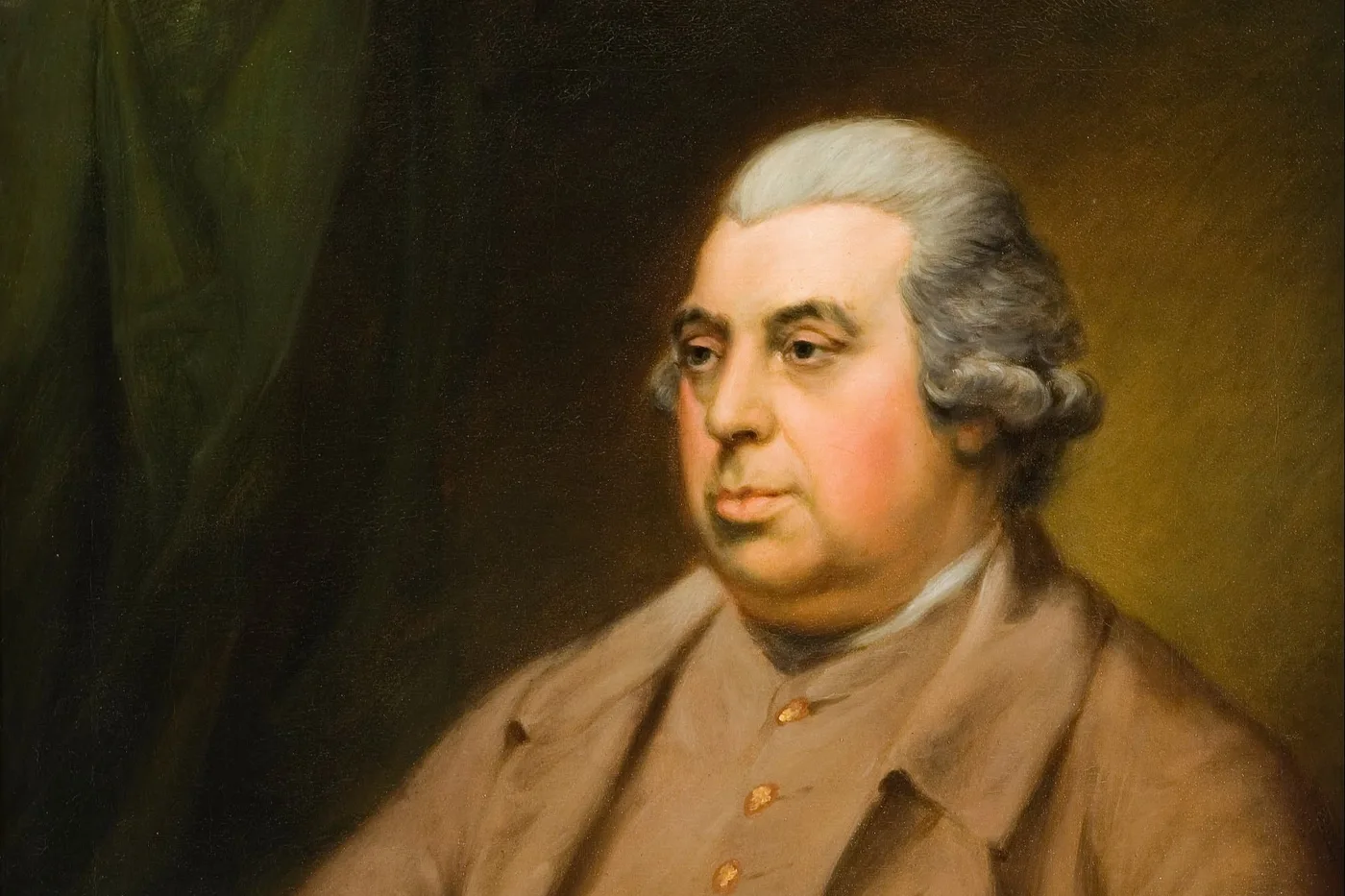
A lottery to save a book
In 1811 Parliament passed an Act allowing a London doctor to run a lottery. The first prize was a collection of paintings of flowers valued at more than £5,000; the purpose was to pay for the book they had been made for. The doctor was Robert John Thornton, the book was The Temple of Flora, and the lottery failed.
Thornton (1768 to 1837) was a physician, a lecturer in medical botany and the author and publisher of New Illustration of the Sexual System of Carolus von Linnaeus, of which The Temple of Flora is the third part. He painted none of its plates himself. What he did was imagine the book, pay for it and lose everything on it.
From the church to medicine
He was born in 1768, the year his father died. As a boy he kept a small garden and collected specimens for an aviary. The Reverend Mr Taylor, vicar of Kensington, taught him with a career in the church in mind, but at Trinity College, Cambridge, he heard the lectures of the botanist Thomas Martyn and switched to medicine.
After the deaths of his brother and his mother he inherited the family fortune and travelled, to Paris, Holland, Germany, Edinburgh and Dublin, to round off his training. In 1797 he began to practise in London. He was physician to the Marylebone dispensary for four years and lectured on medical botany at Guy’s Hospital.
The New Illustration of the Sexual System of Linnaeus
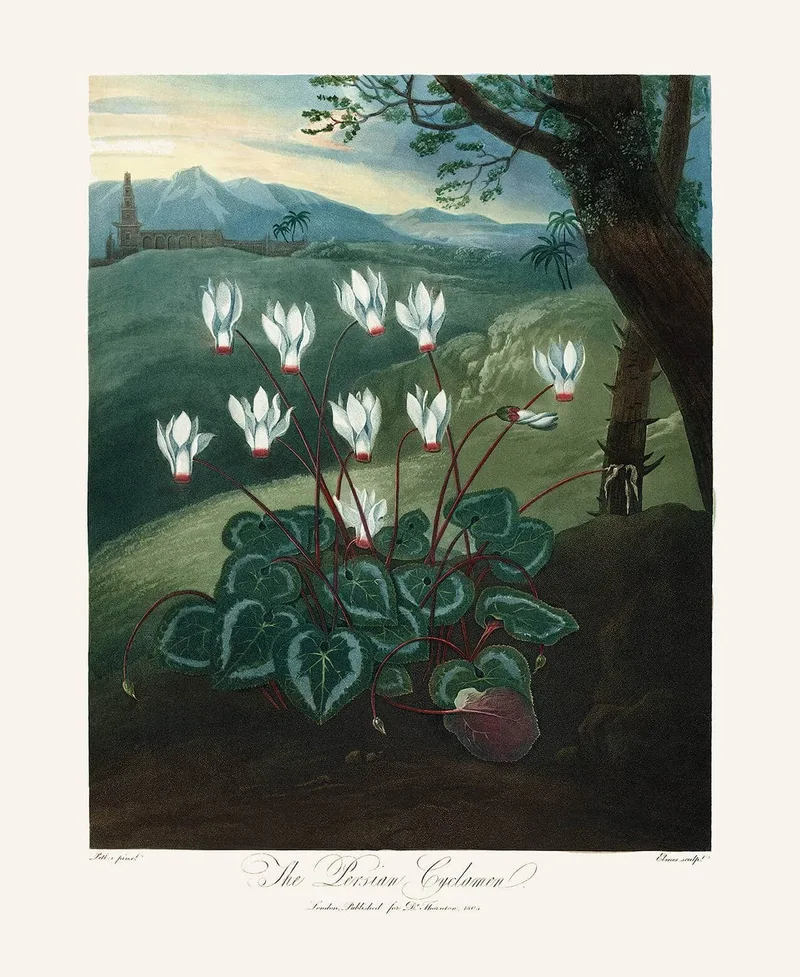
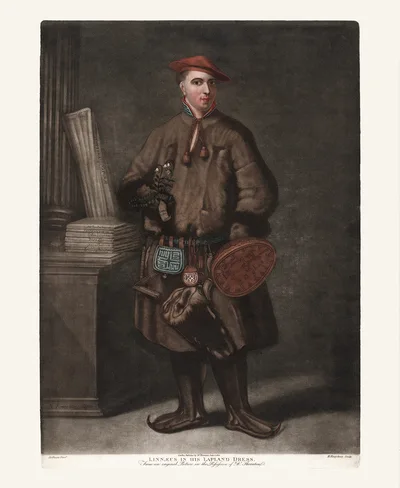
Also in 1797 Thornton began his great work. Born of the eighteenth century’s appetite for exploration and discovery, New Illustration of the Sexual System of Carolus von Linnaeus was meant to show what British artists could do while celebrating the system of classification of the Swedish botanist Carl Linnaeus. Linnaeus, often called the father of modern taxonomy, had sorted the plant kingdom by its organs of reproduction, the stamens and pistils; he had written a thesis on the sexuality of plants as early as 1729.
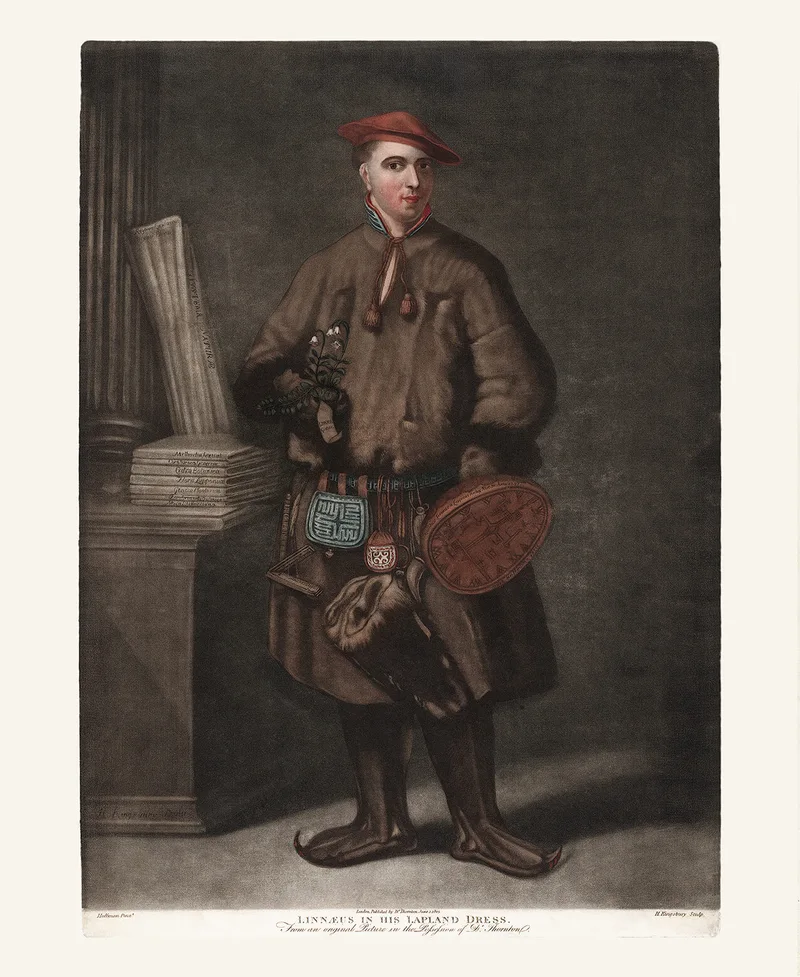
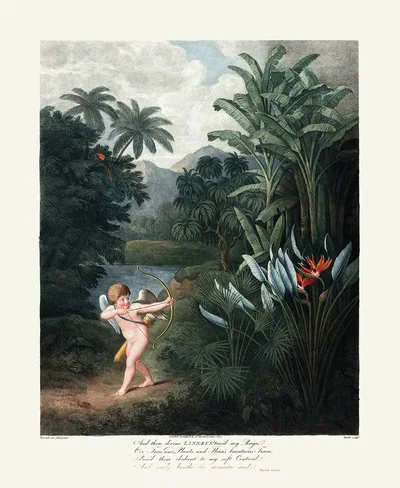
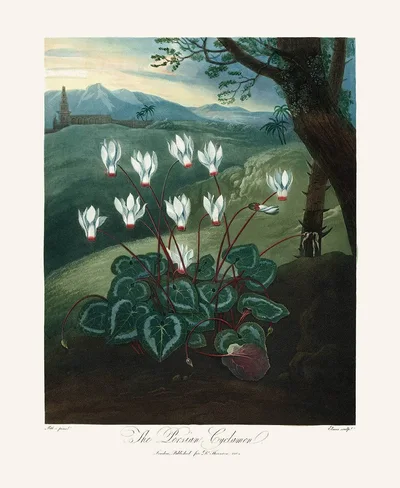
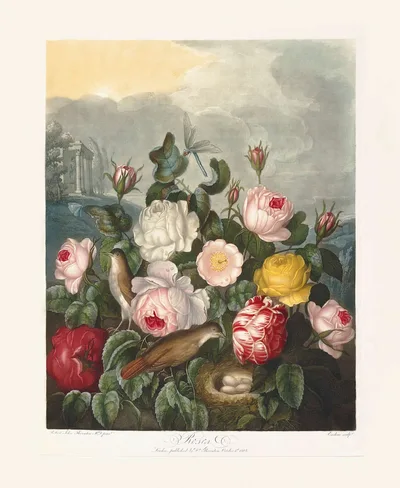
Some scholars of the day were offended that botany should be organised around reproduction at all. Thornton set out to present the system scientifically, but he took evident pleasure in Linnaeus’s language of the loves of the plants, and his texts dwell on the courtships and marriages of stamens and pistils. The Temple of Flora, the third part of the work, gave that pleasure its pictures: flowers shown in dramatic landscapes meant to evoke their native countries. He planned seventy folio plates in colour.
Gallery, lottery and ruin
In 1803 Thornton opened a gallery in London where he exhibited the paintings and sold catalogues, hoping for the subscriptions the book needed. They did not come in sufficient numbers. The fashion for botany was fading in the early years of the century, he had no patron, and a series of financial setbacks left him paying for the plates himself, which is why they appeared irregularly and why far fewer than seventy were ever made.
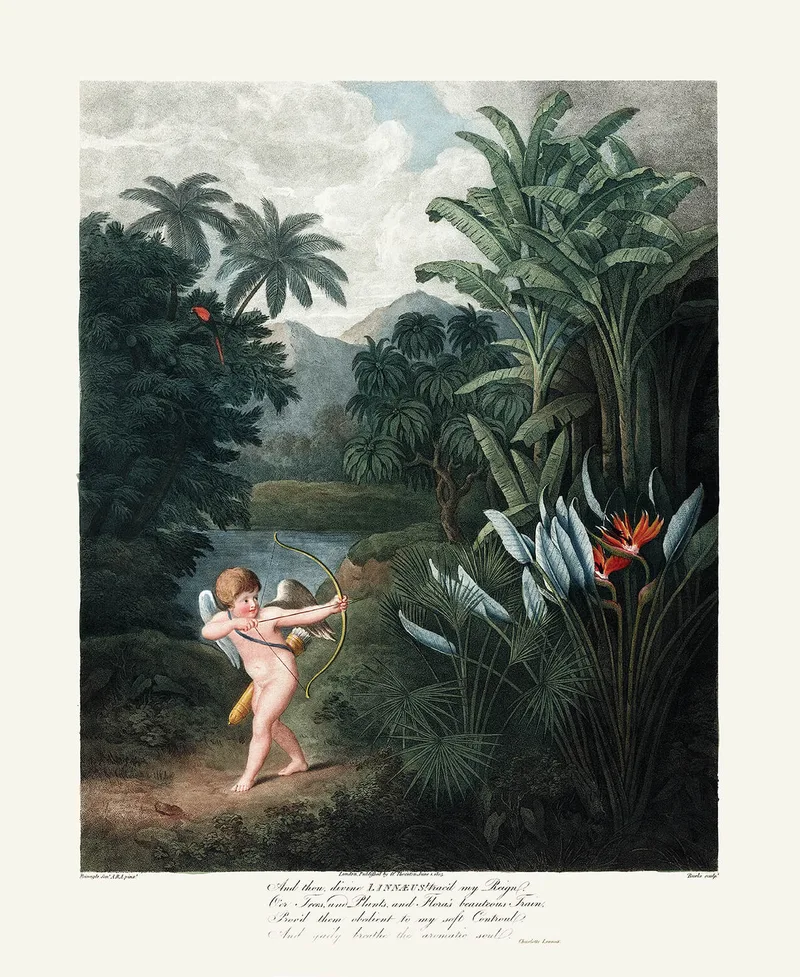
The lottery of 1811, authorised by Act of Parliament, was his last throw. Its first prize was the collection of original paintings, valued at over £5,000; the tickets did not sell. Thornton died in 1837, destitute, leaving a son and a daughter in financial ruin.
One of the loveliest books in the world
One of the loveliest books in the world.
It was an unhappy ending, but what Thornton left behind has outlasted the fortune. What is The Temple of Flora? describes the book, its artists and its best-known plates. We sell thirty of them as facsimiles of the copy in the Teylers Museum in Haarlem; the plates are on The Temple of Flora and the artist’s page is Robert John Thornton.
Four plates from The Temple of Flora
Questions
Did Robert Thornton paint The Temple of Flora himself?
No. He was a physician, not a painter. He commissioned artists such as Philip Reinagle, Peter Henderson and Sydenham Edwards, composed the settings and wrote the text.
Why did Thornton die poor?
He paid for the plates of The Temple of Flora himself when subscriptions and a patron failed to appear. A lottery in 1811, allowed by Act of Parliament, did not sell enough tickets, and he died destitute in 1837.
What is the New Illustration of the Sexual System of Carolus von Linnaeus?
Thornton’s three-part work, begun in 1797, celebrating Linnaeus’s classification of plants by their reproductive parts. The Temple of Flora is its third part.