
Insect prints
Butterflies, beetles and their host plants by Maria Sibylla Merian and Edward Donovan. Every print is a facsimile giclée at the size of the original sheet, limited to 250.
132 prints
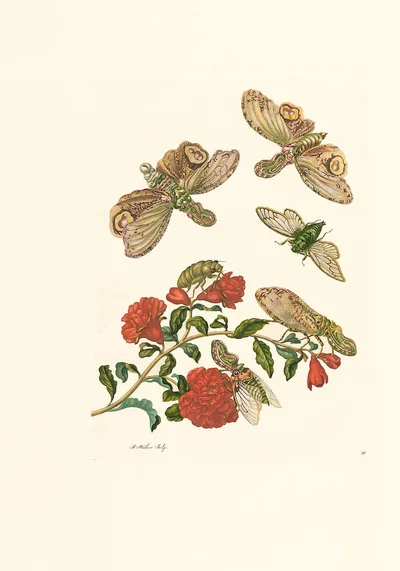
Lantren Fly with Pomegranate Flower
$185
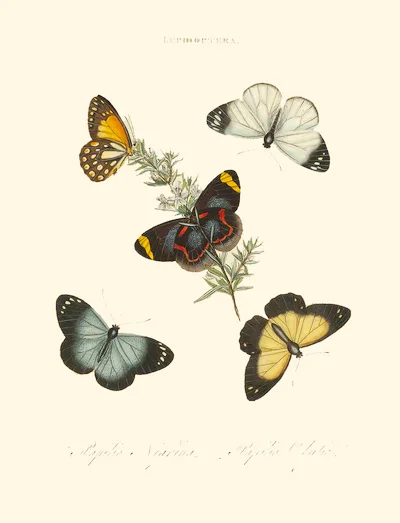
Lepidoptera – Papilio Nigrina – Papilio Clytie
$165
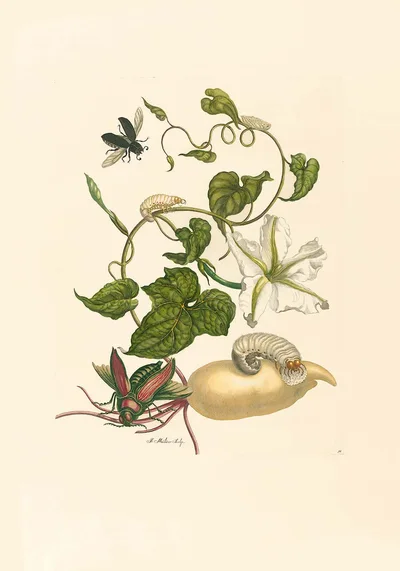
Large Horned Beetle with Potato
$185
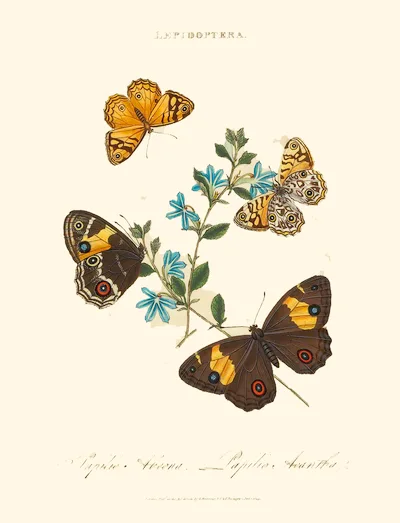
Lepidoptera – Papilio Abeona – Papilio Acantha
$165
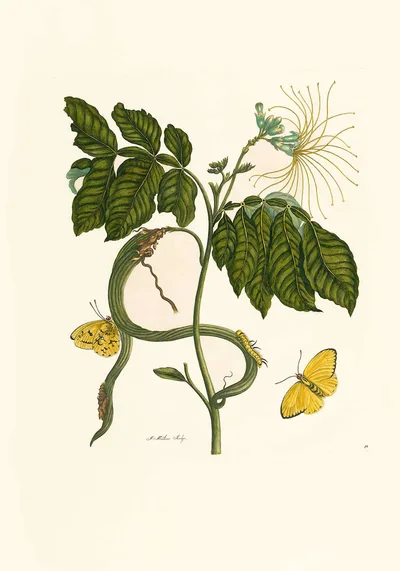
Sweet Bean
$185
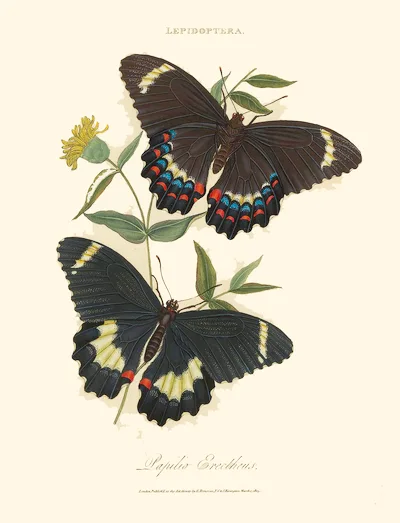
Lepidoptera – Papilio Erectheus
$165
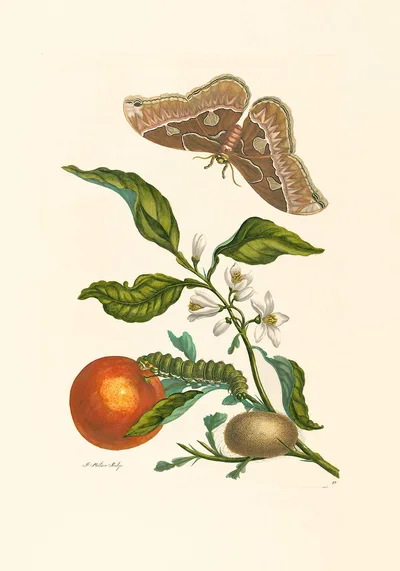
Orange
$185
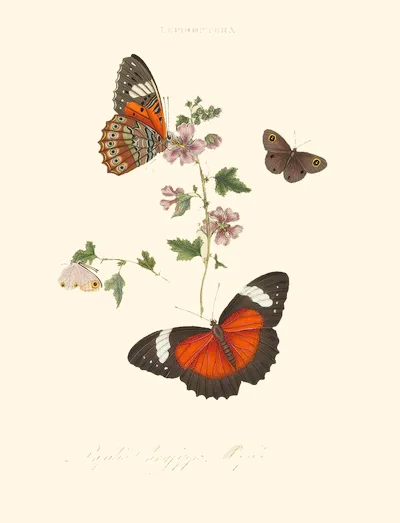
Lepidoptera Papilio Chrysippe – Papilio Arctous
$165
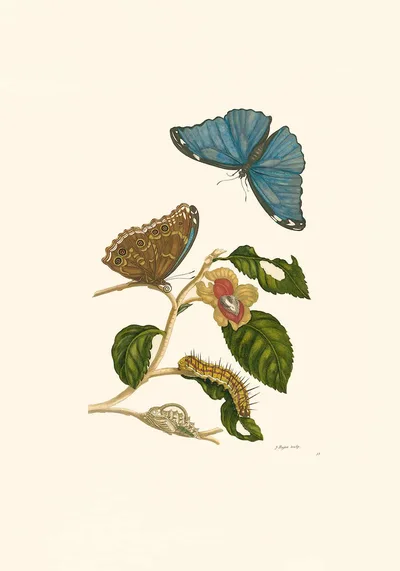
Pearly-eyed Butterfly with Nut
$185
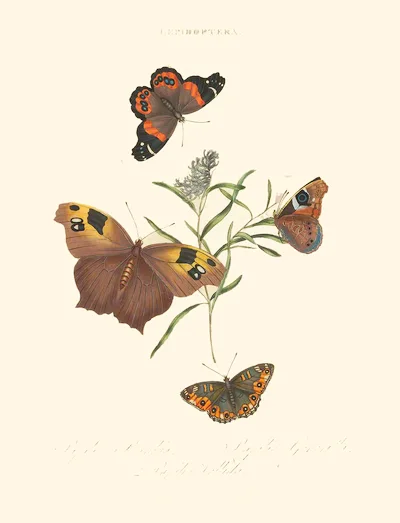
Lepidoptera – Papilio Bankia
$165
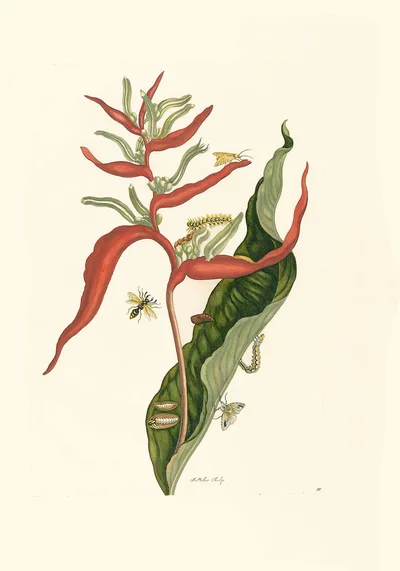
Red Ginger Plant with Bee
$185
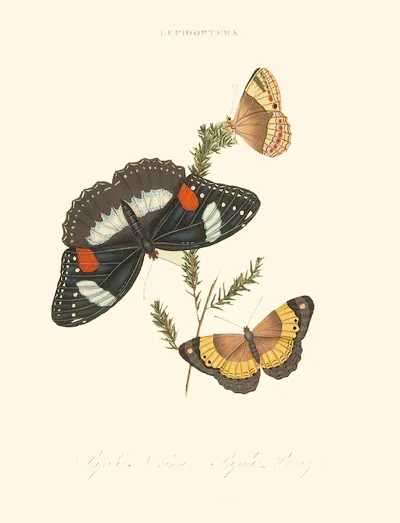
Lepidoptera – Papilio Nerina – Papilio Prosope
$165
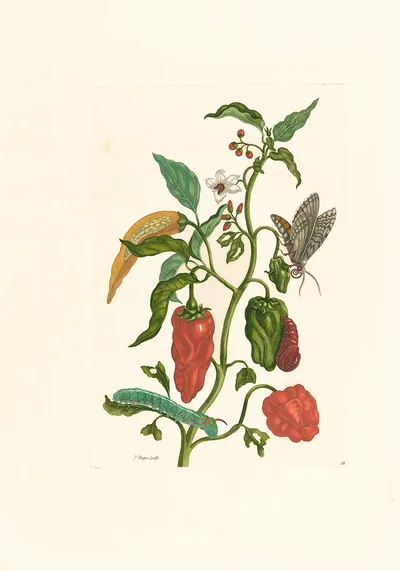
Pepper Plant Capsicum
$185
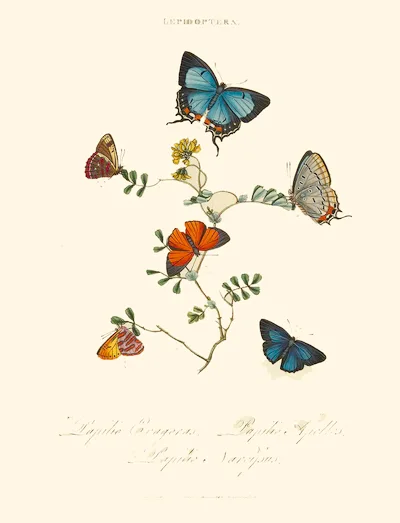
Lepidoptera – Papilio Evagoras
$165
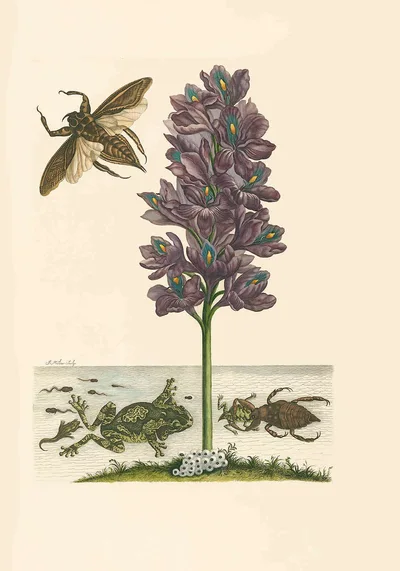
Water Scorpion, Giant Water Beetle and Frogs
$185
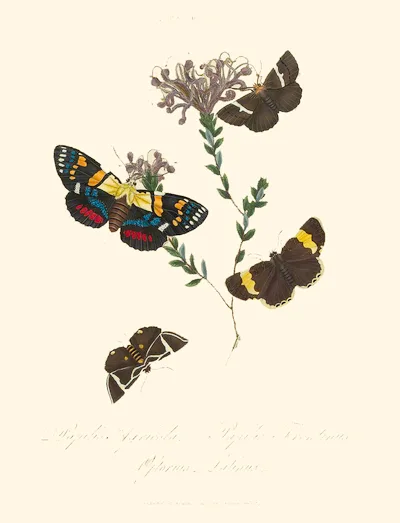
Lepidoptera – Papilio Agricola
$165
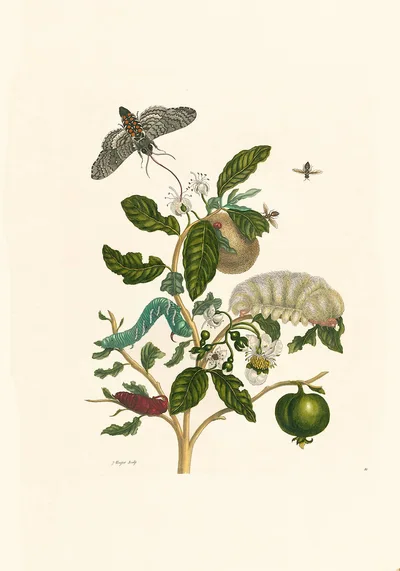
Wooly-haired Megalopygio Caterpillar
$185
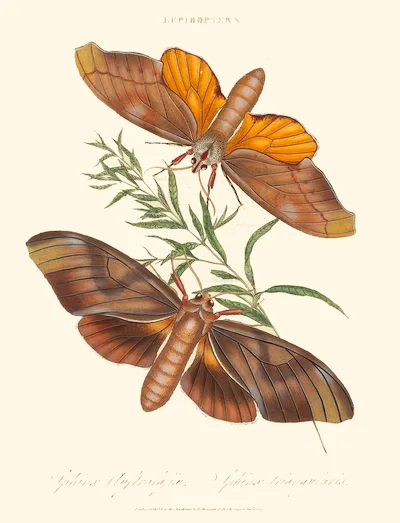
Lepidoptera – Sphinx Australasiæ
$165
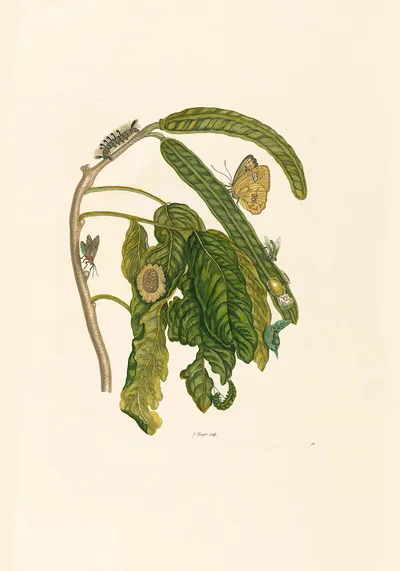
Pearly-eyed Butterfly and Flies
$185
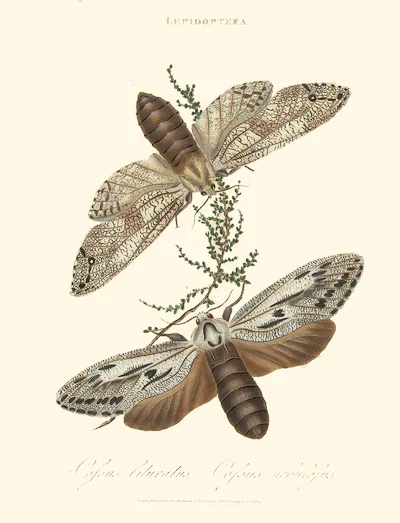
Lepidoptera – Cossus Nebulosus
$165
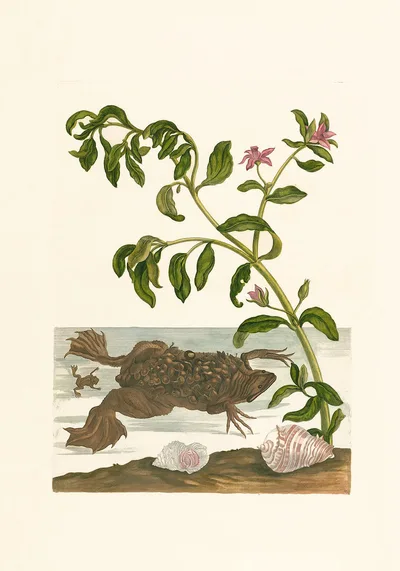
Female Toad and Young with Watercress
$185
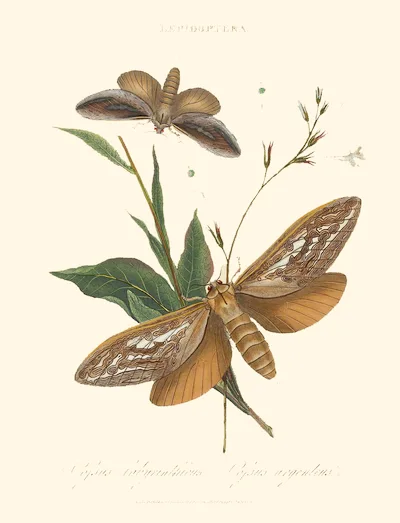
Lepidoptera, Cossus Labyrinthicus
$165
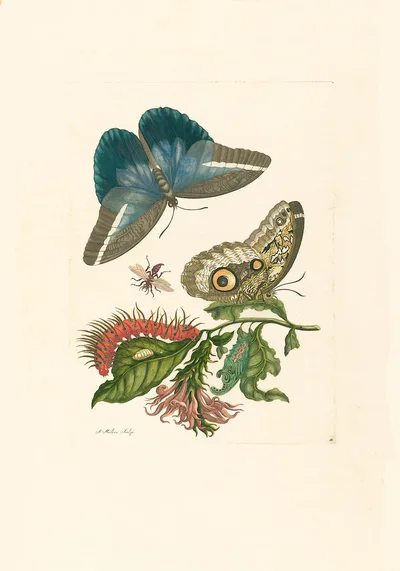
Caligo Butterfly Wasp and Acanthacae
$185
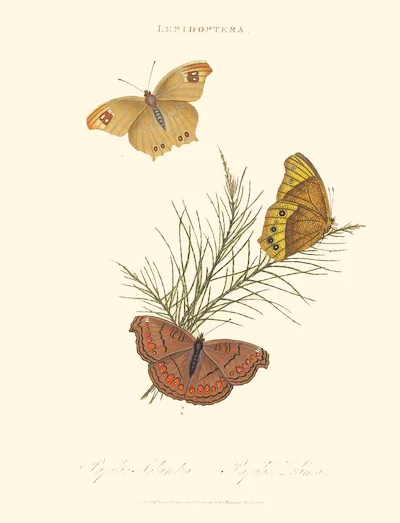
Lepidoptera, Papilio Solandra, Papilio Zelima
$165
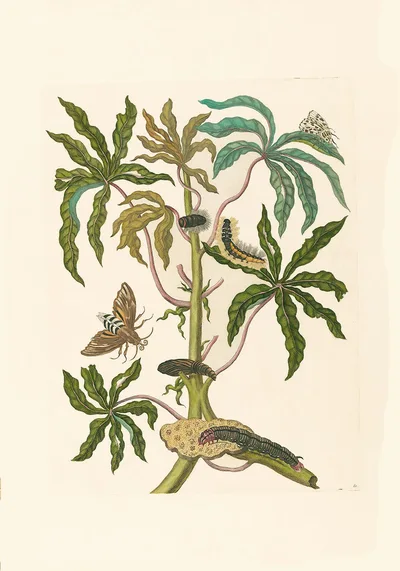
Sweet White Guava
$185
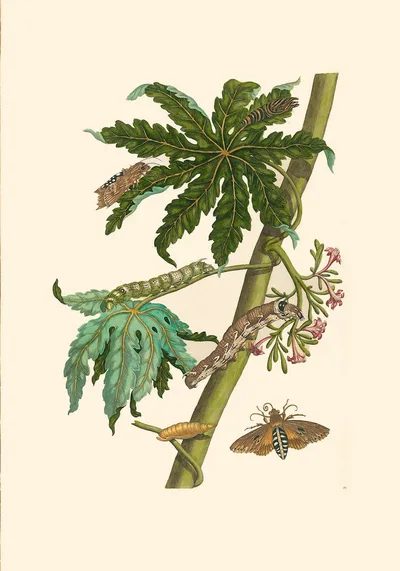
Papaya
$185
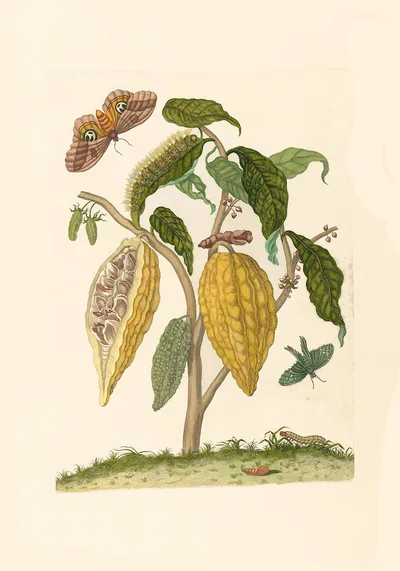
Cocoa
$185
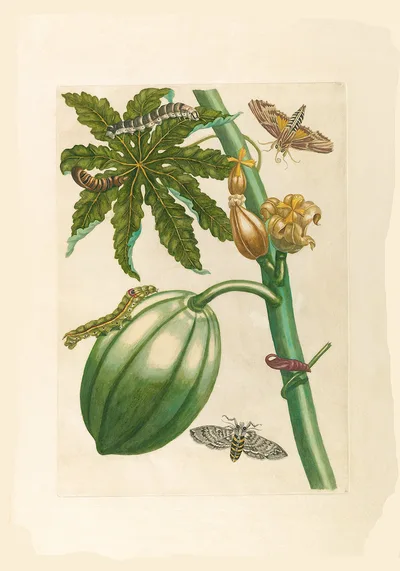
Papaya
$185
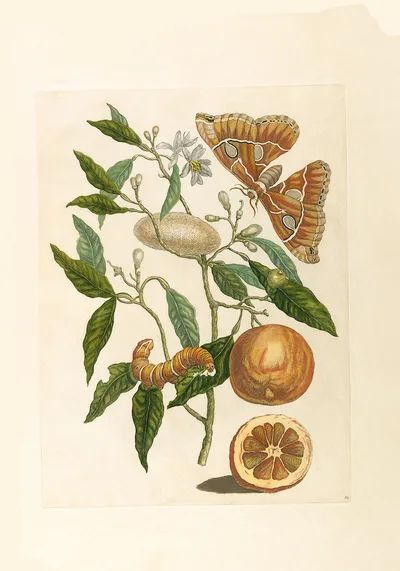
Lemon
$185
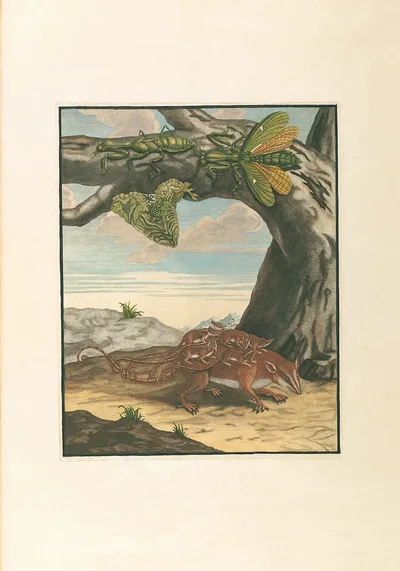
Opossums with Young & Praying Mantis
$185
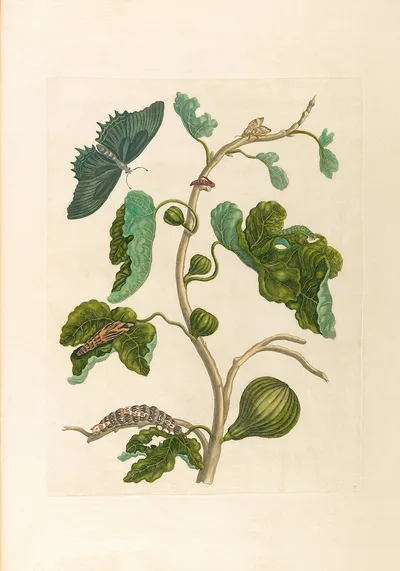
Fig
$185
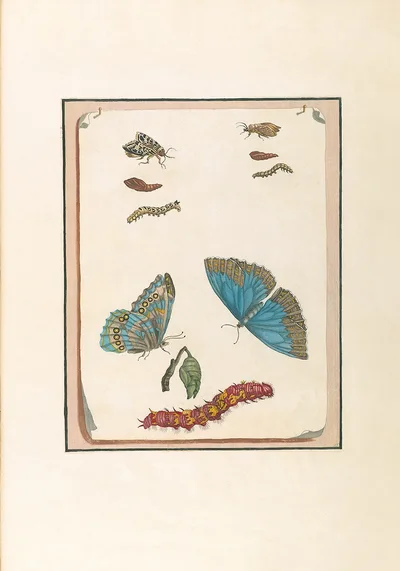
Heather Butterfly & Metamorphic Study
$185
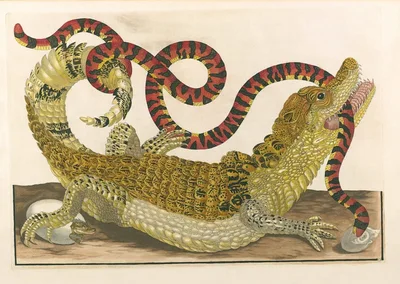
Caiman
$185
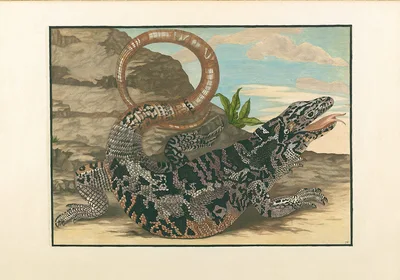
Lizard
$185
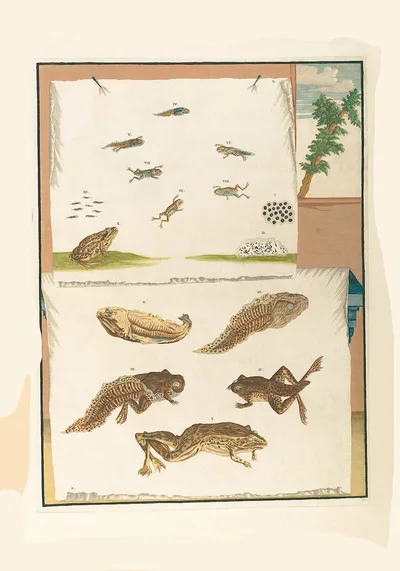
Frog metamorphic stages
$185
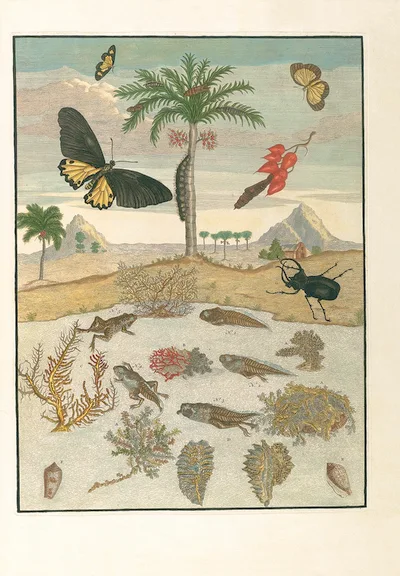
Stag Beetle, Palm Tree
$185
About insect prints
Maria Sibylla Merian was 52 when she sailed from Amsterdam to Suriname in 1699 with her daughter Dorothea Maria. For two years the two women collected along the Suriname River, bred caterpillars in boxes and painted every stage with the plant it was found on. Her book opens with the pineapple, the fruit she thought the finest in the colony, and goes on through cassava, banana, guava and cotton, each with the insects that live on it. All 72 plates of the 1719 edition are here, from the Harlequin Beetle and the Mantids to the Tarantula & Weaver Ants in a guava tree. What is Merian’s Metamorphosis Insectorum Surinamensium? tells the story of the book.
Edward Donovan’s insects are smaller sheets from almost a century later, and not only butterflies: The Insects of China and The Insects of India include two lantern flies, Fulgora candelaria and Fulgora pyrorhynchus, each set against a flowering plant of its country.