
Insect prints
Butterflies, beetles and their host plants by Maria Sibylla Merian and Edward Donovan. Every print is a facsimile giclée at the size of the original sheet, limited to 250.
132 prints
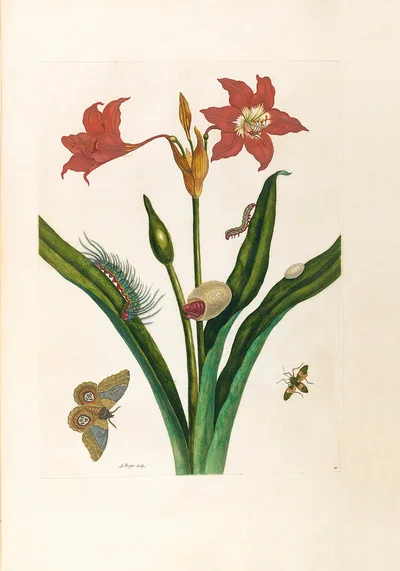
Red Amaryllis
$185
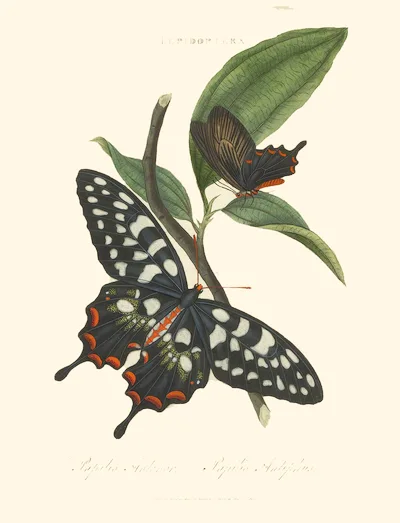
Lepidoptera Papilio Antenor – Papilio Antiphus
$165
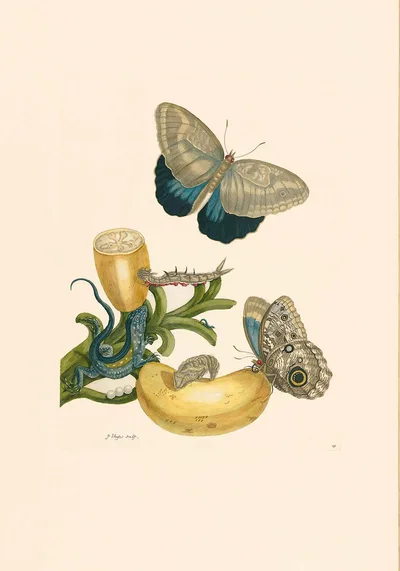
Lizard & Banana
$185
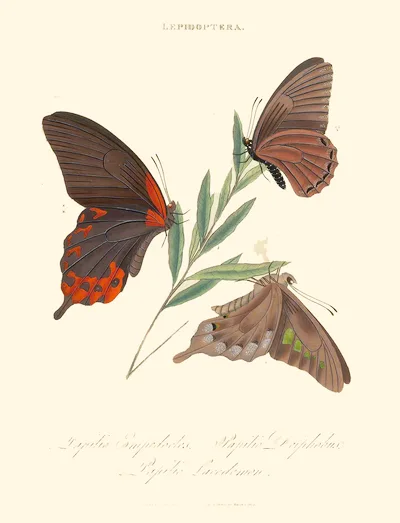
Lepidoptera Papilio Empedocles
$165
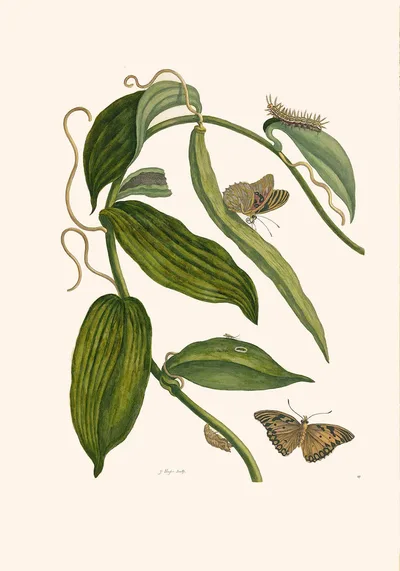
Vanilla Plant
$185
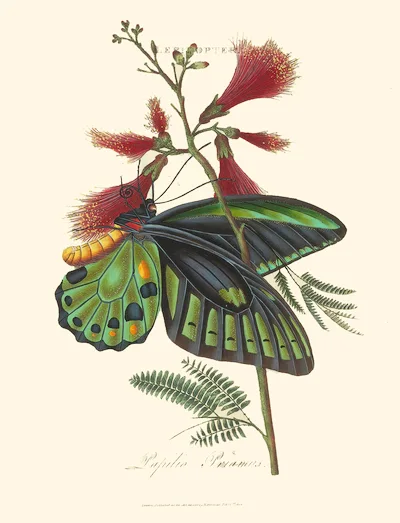
Lepidoptera Papilio Priamus
$165
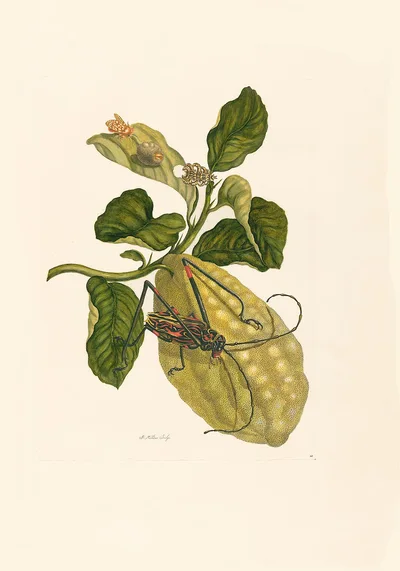
Harlequin Beetle
$185
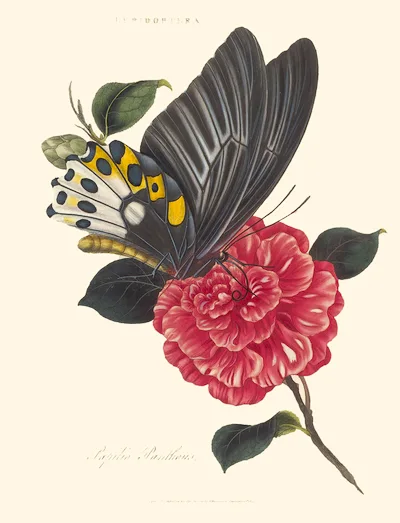
Lepidoptera – Papilio Panthous
$165
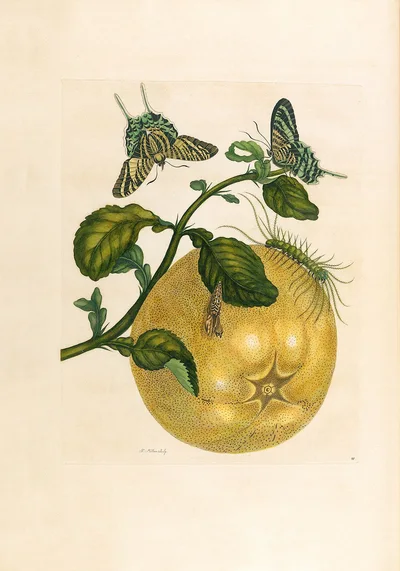
Grapefruit
$185
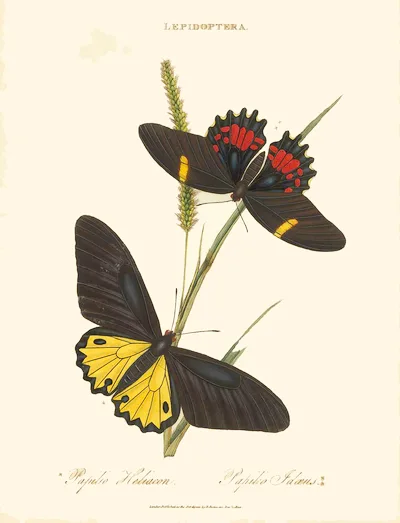
Lepidoptera – Papilio Heliacon – Papilio Idæus
$165
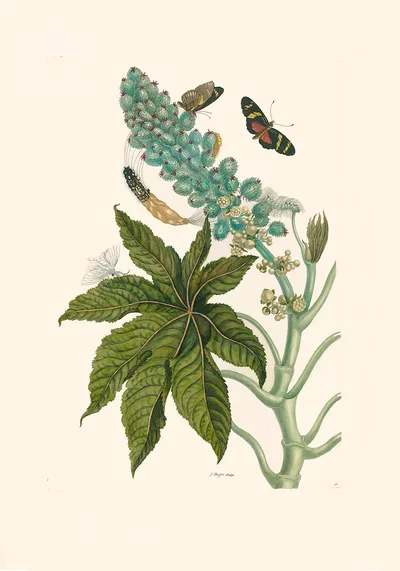
Racinis Butterfly & Greater Sacktail Castor Oil Plant
$185
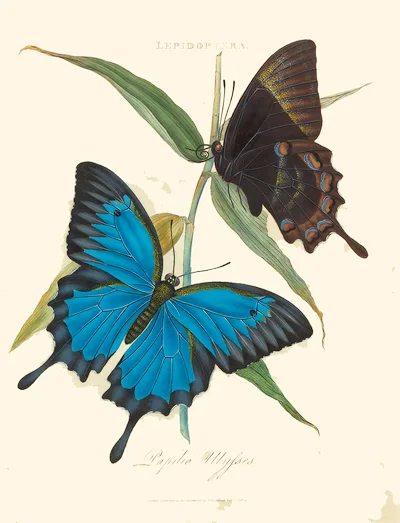
Lepidoptera – Papilio Ulysses
$165
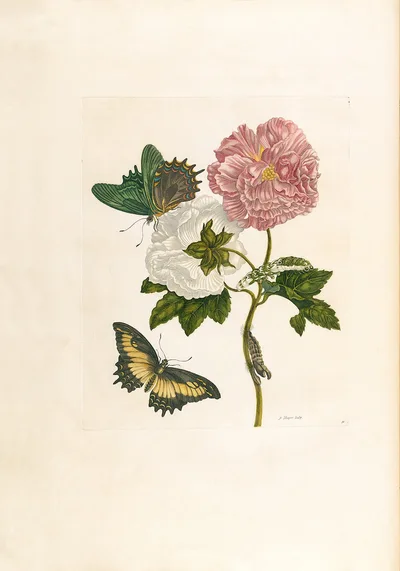
Cotton Rose
$185
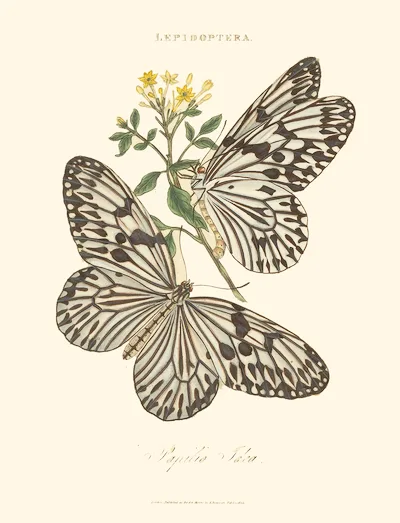
Lepidoptera – Papilio Idea
$165
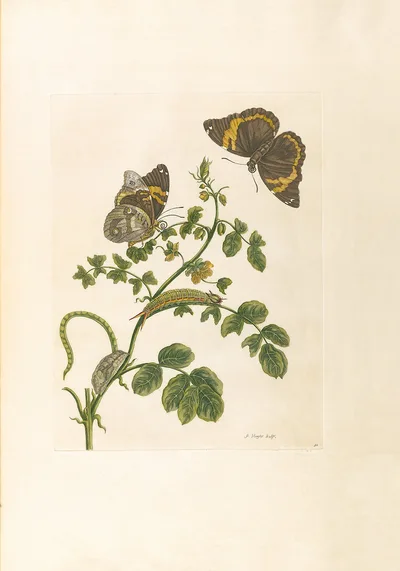
Black Currant with Butterfly
$185
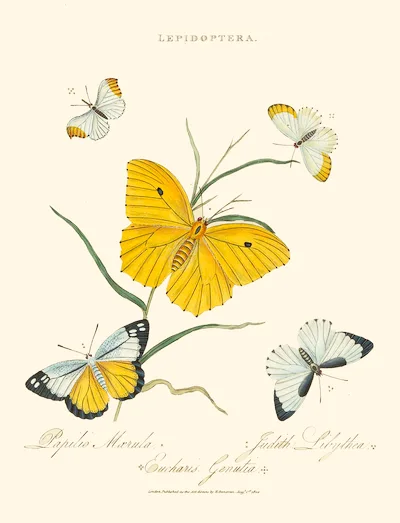
Lepidoptera – Papilio Mærula
$165
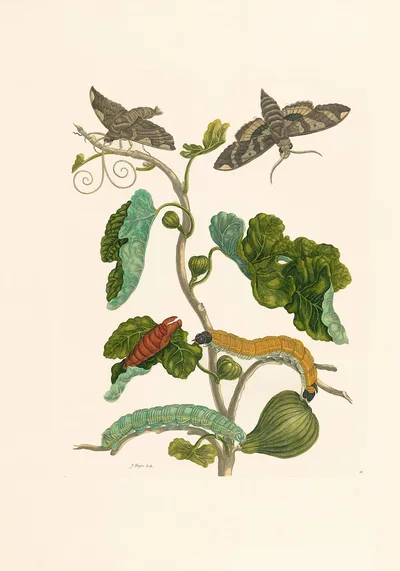
Fig
$185
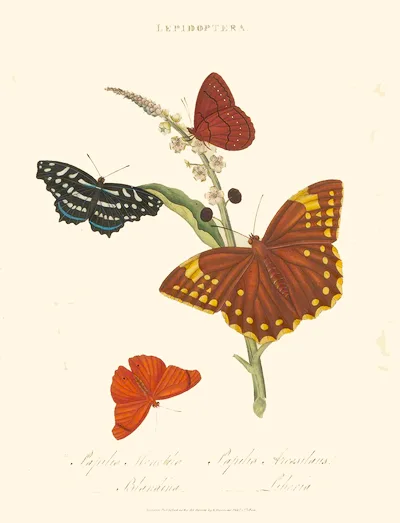
Lepidoptera – Papilio Menetho
$165
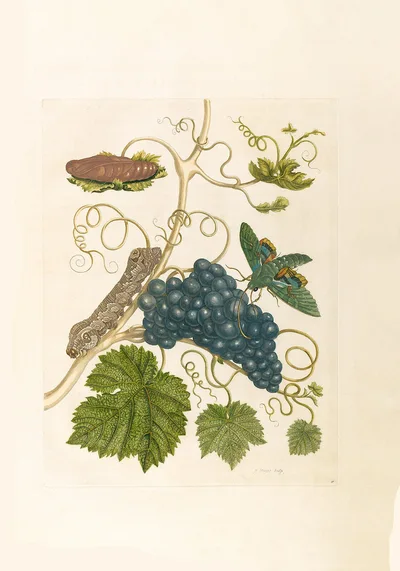
Purple Grapes
$185
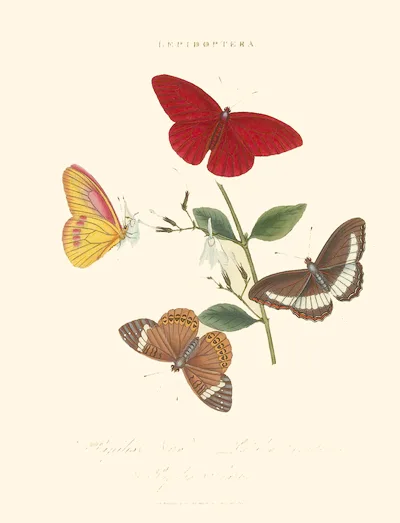
Lepidoptera – Papilio Nero
$165
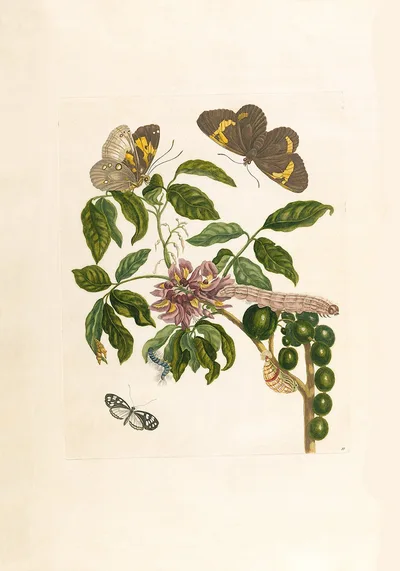
Painted Lady
$185
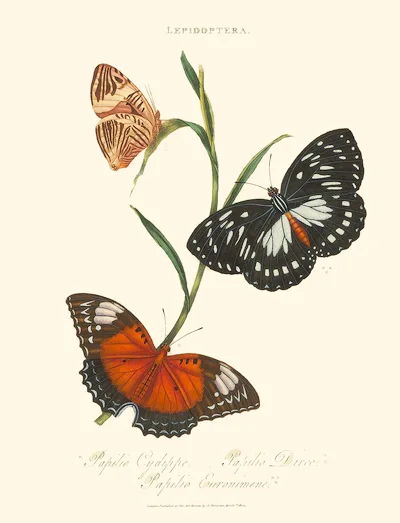
Lepidoptera – Papilio Cydippe
$165
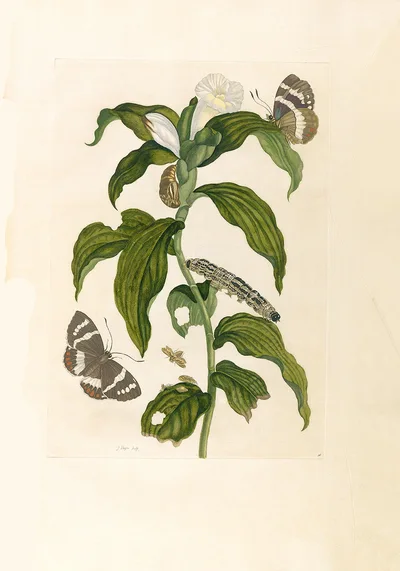
Tobacco Plant with Butterfly
$185
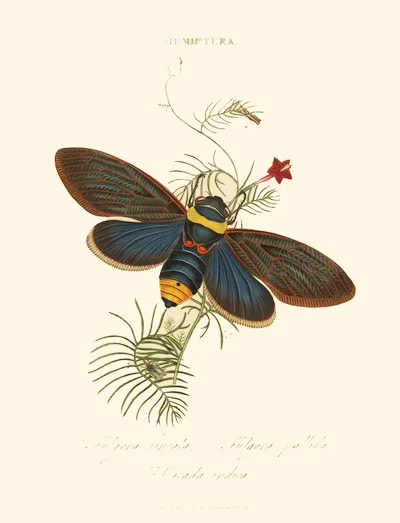
Hemiptera – Fulgora lineata
$165
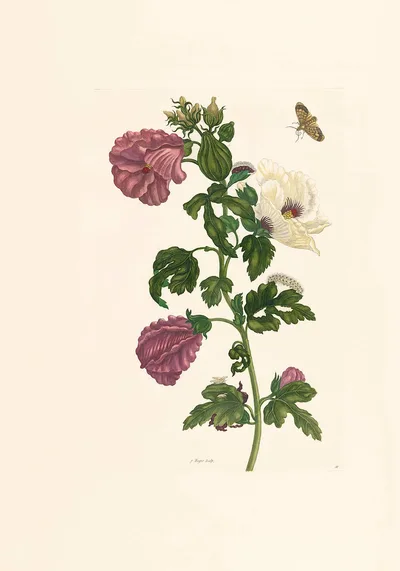
Hibiscus Indian Sorrel
$185
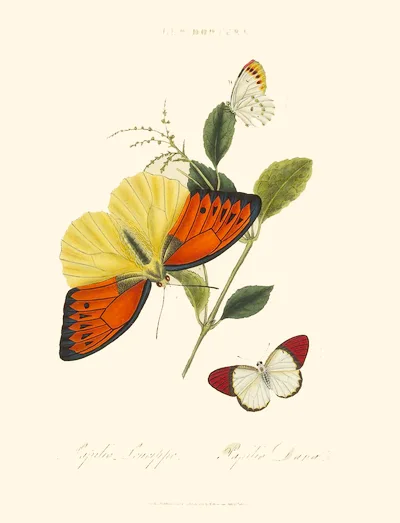
Lepidoptera – Papilio Leucippe
$165
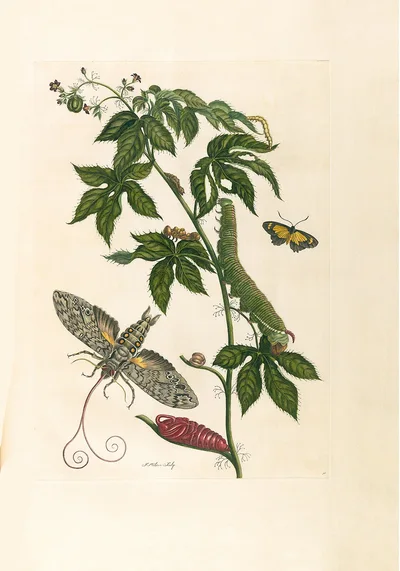
Cotton Leaf Jatropha & Mimicry Moth
$185
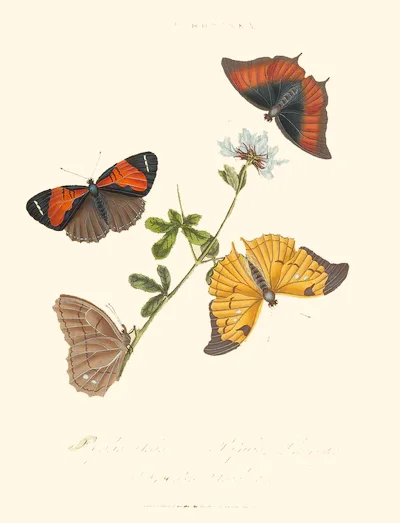
Lepidoptera – Papilo Isis – Papilio Phorcys
$165
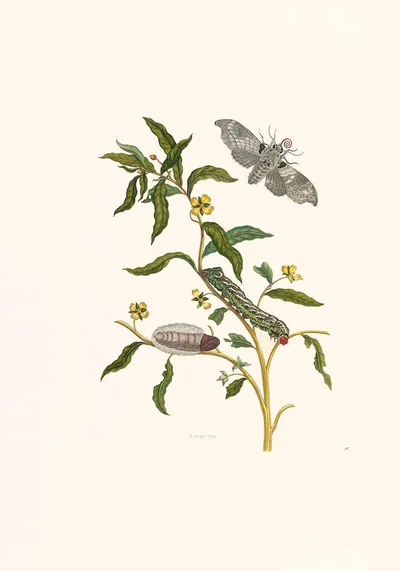
Emperor Moth
$185
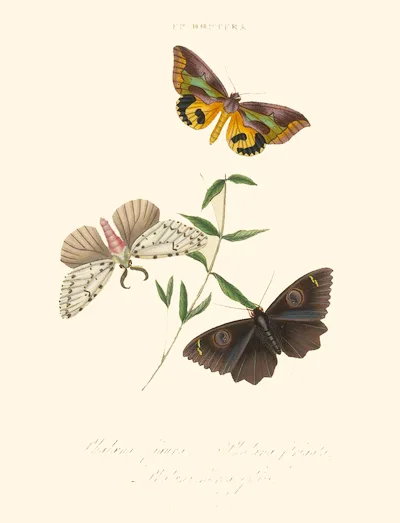
Lepidoptera – Phalæna figura
$165
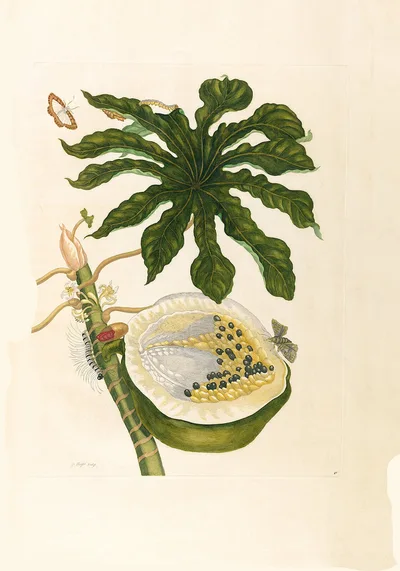
Papaya (3)
$185
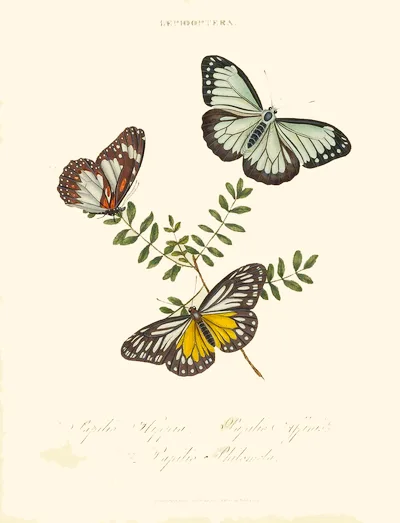
Lepidoptera – Papilio Hippia – Papilio Affinis
$165
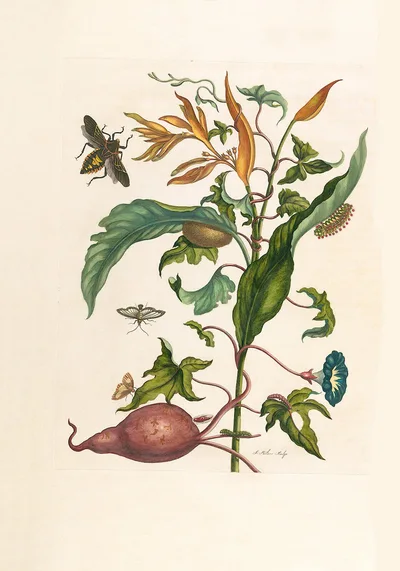
Sweet Potato
$185
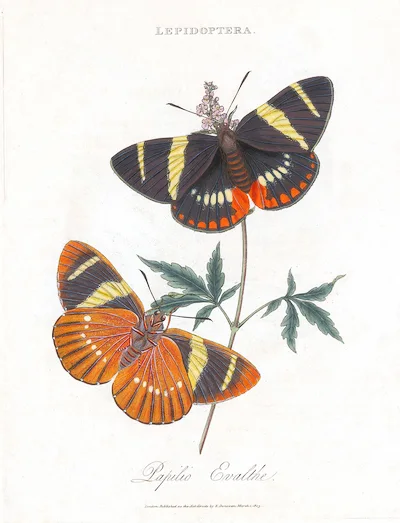
Lepidoptera – Papilio Evalthe
$165
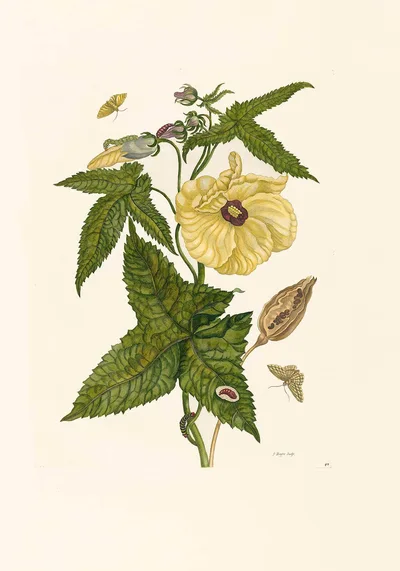
Hibiscus
$185
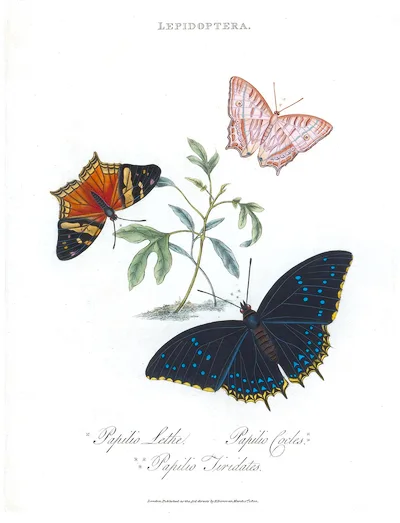
Lepidoptera – Papilio Lethe – Papilio Cocles
$165
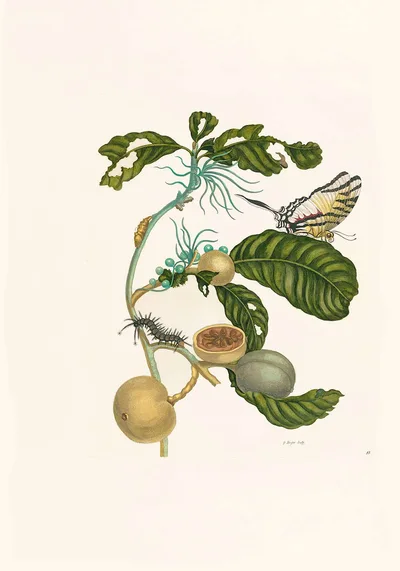
Swallow-tailed Butterfly & Passion Flower
$185
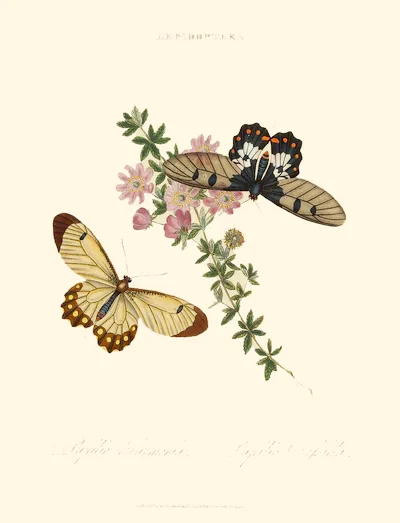
Lepidoptera Papilio Harmonia
$165
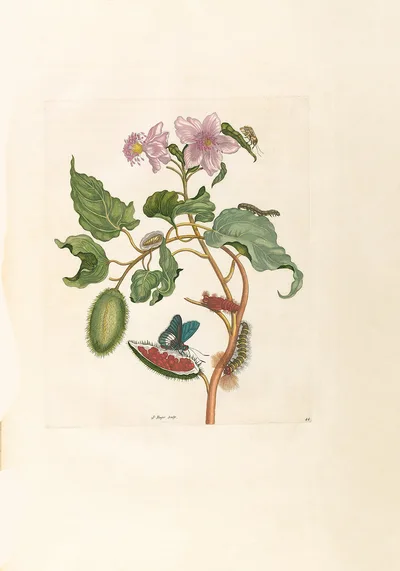
Pink Flowered Rocu
$185
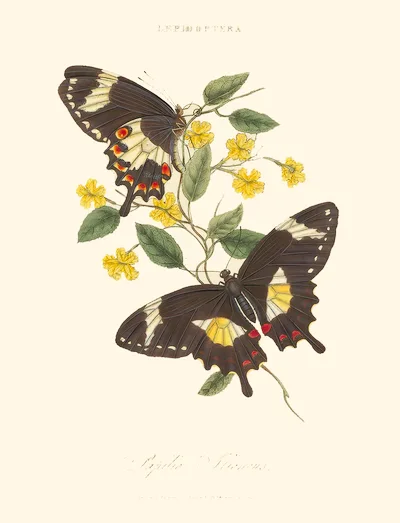
Lepidoptera Papilio Ilioneus
$165
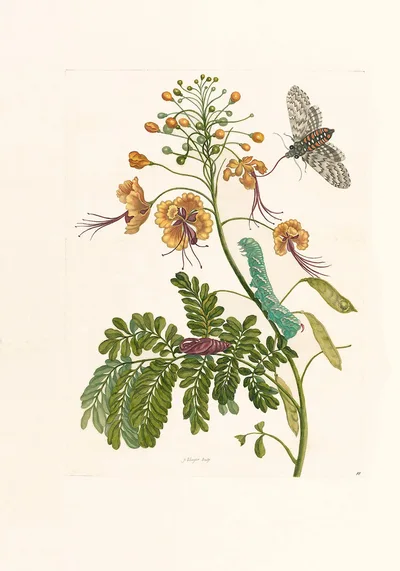
Orange Flowers
$185
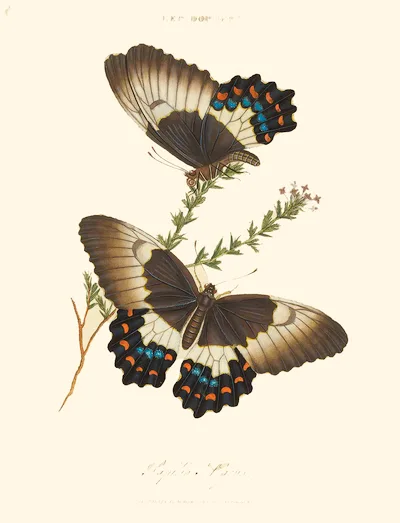
Lepidoptera Papilio aelig-geus
$165
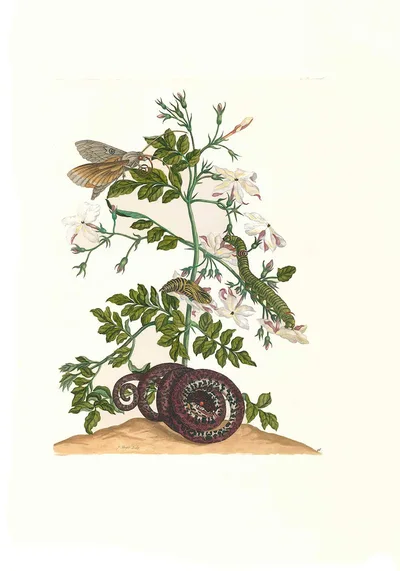
Snake & Jasmine
$185
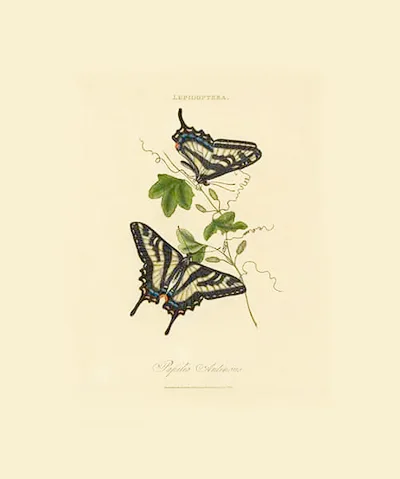
Lepidoptera Papilio Antinous
$165
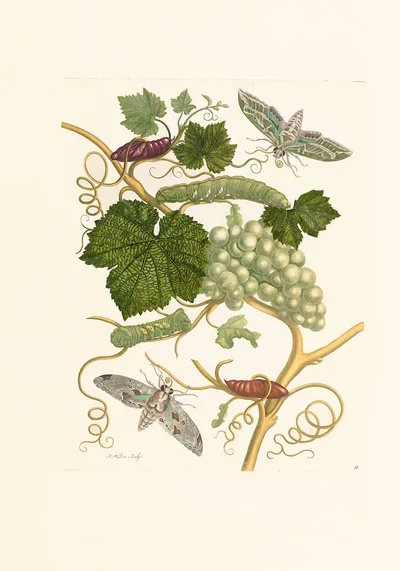
Green Grapes
$185
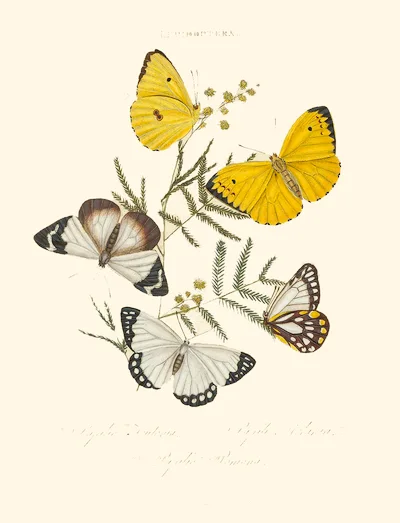
Lepidoptera Papilio Teutonia
$165
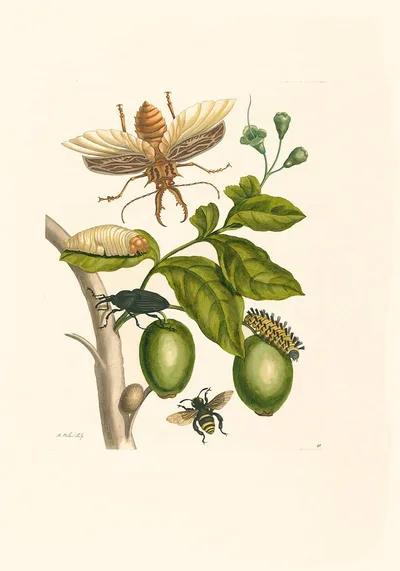
Tabrouba Tree with Stag Capricorn & Herculo Beetles
$185
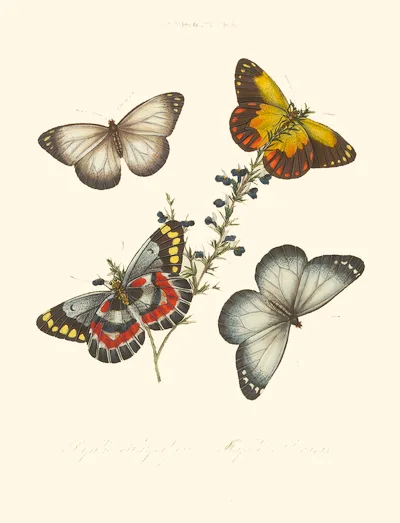
Lepidoptera – Papilio Harpalyce – Papilio Flexaris
$165
About insect prints
Maria Sibylla Merian was 52 when she sailed from Amsterdam to Suriname in 1699 with her daughter Dorothea Maria. For two years the two women collected along the Suriname River, bred caterpillars in boxes and painted every stage with the plant it was found on. Her book opens with the pineapple, the fruit she thought the finest in the colony, and goes on through cassava, banana, guava and cotton, each with the insects that live on it. All 72 plates of the 1719 edition are here, from the Harlequin Beetle and the Mantids to the Tarantula & Weaver Ants in a guava tree. What is Merian’s Metamorphosis Insectorum Surinamensium? tells the story of the book.
Edward Donovan’s insects are smaller sheets from almost a century later, and not only butterflies: The Insects of China and The Insects of India include two lantern flies, Fulgora candelaria and Fulgora pyrorhynchus, each set against a flowering plant of its country.