
Heron and wading bird prints
Herons, egrets, flamingos, ibises and sandpipers, most of them from John James Audubon’s The Birds of America: the Great Blue Heron, the American Flamingo and the Roseate Spoonbill among them. Audubon drew every bird at life size, which is why the tallest are bent to fit the page. Every print is a facsimile giclée at the size of the original sheet, limited to 250.
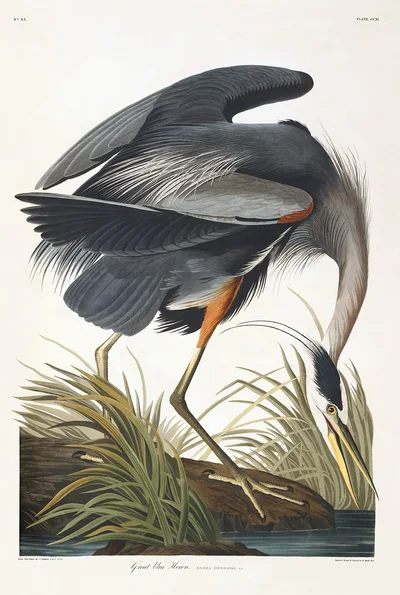
Great Blue Heron
$950
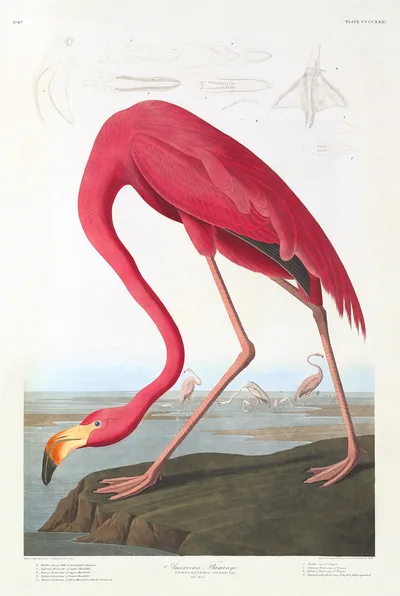
American Flamingo
$950
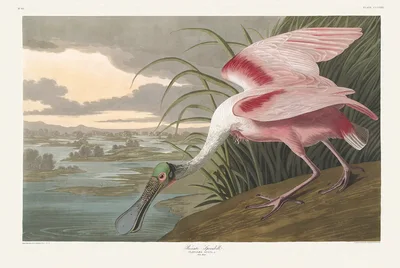
Roseate Spoonbill
$725
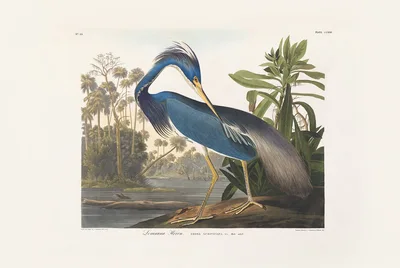
Louisiana Heron
$475
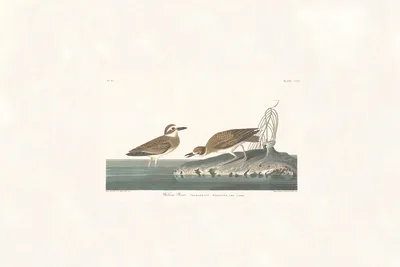
Wilson’s Plover
$350
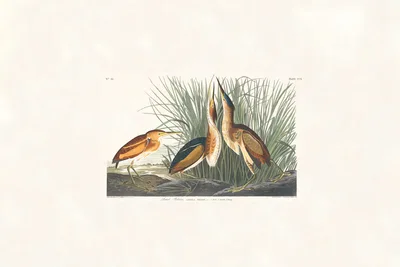
Least Bittern
$350
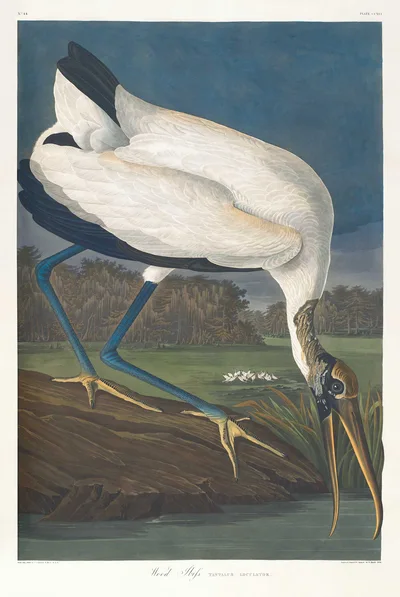
Wood Ibis
$725
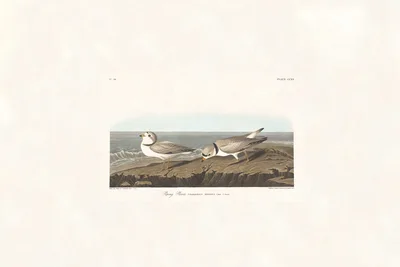
Piping Plover
$350
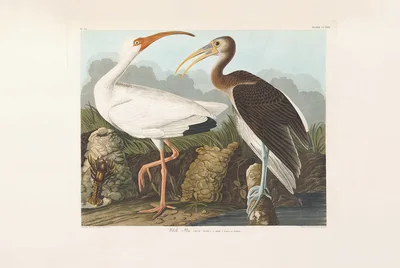
White Ibis
$475
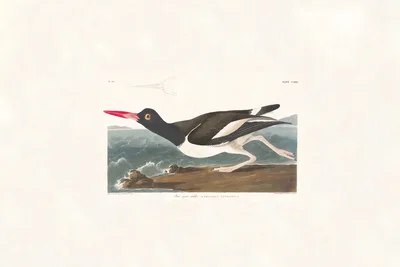
Pied Oyster-catcher
$350
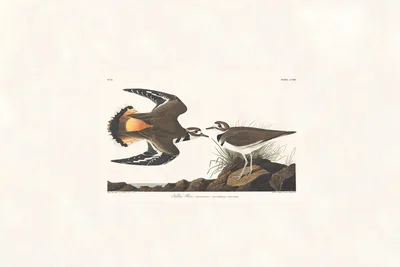
Kildeer Plover
$350
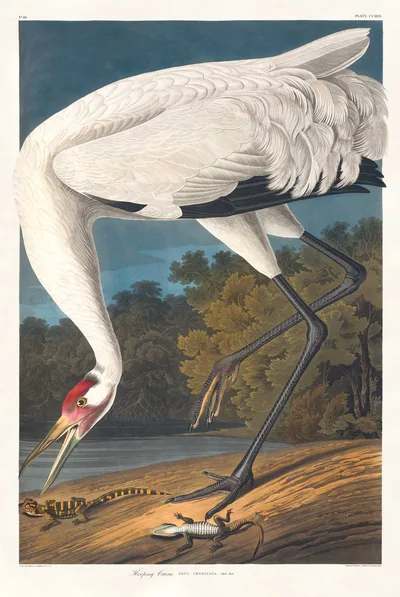
Whooping Crane
$725
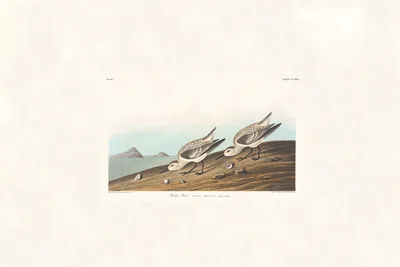
Ruddy Plover
$350
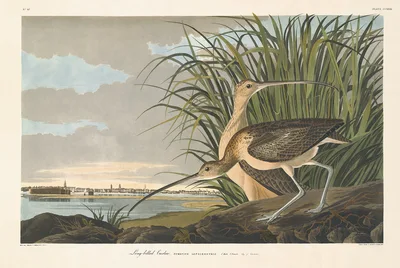
Long billed Curlew
$725
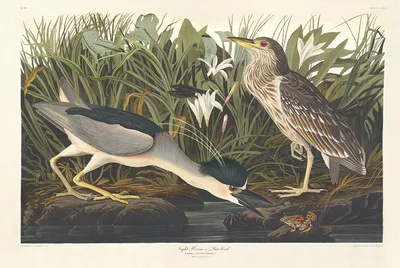
Night Heron or Qua Bird
$725
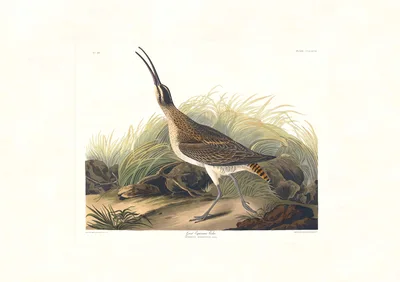
Great Esquimaux Curlew
$475
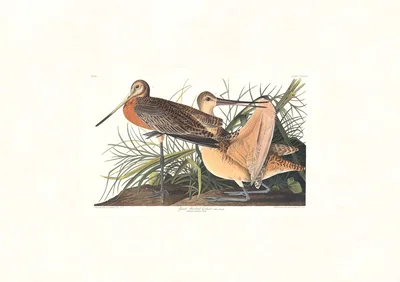
Great Marbled Godwit
$350
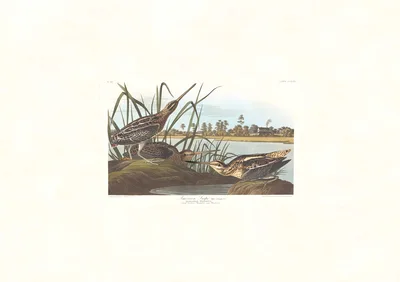
American Snipe
$350
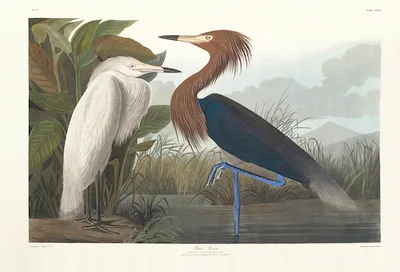
Purple Heron and Reddish Egret
$725
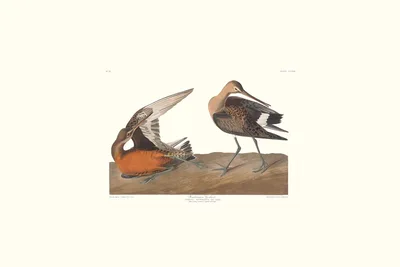
Hudsonian Godwit
$350
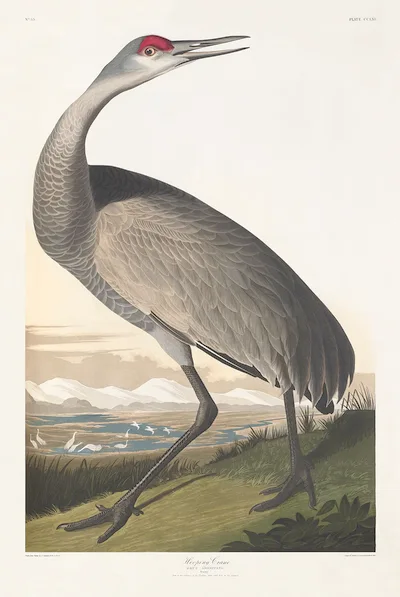
Whooping Crane
$725
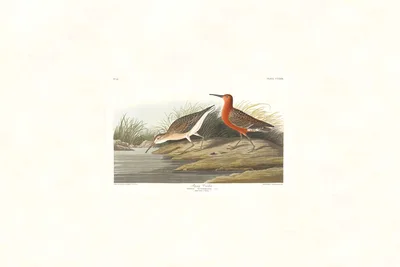
Pigmy Curlew
$350
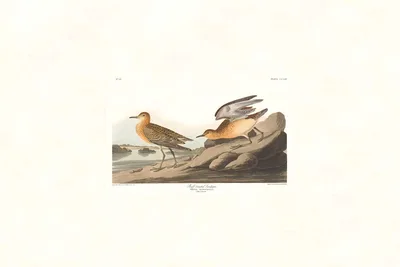
Buff-breasted Sandpiper
$350
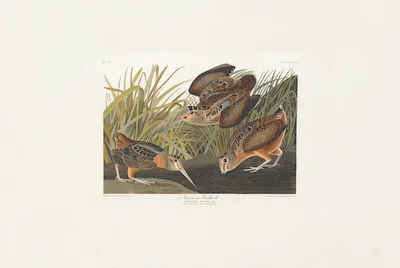
American Woodcock
$350
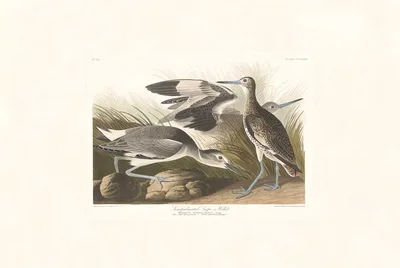
Semipalmated Snipe, or Willet
$350
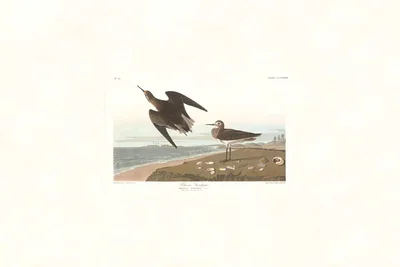
Schinz’s Sandpiper
$350
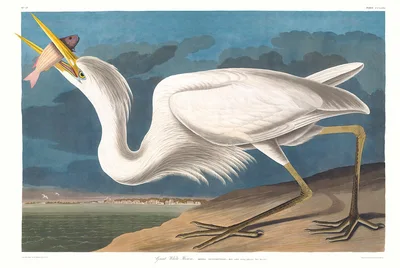
Great White Heron
$725
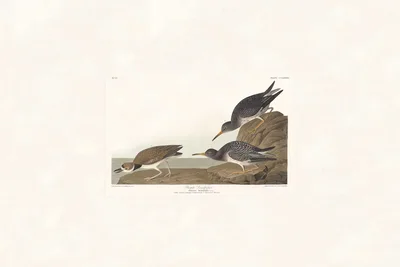
Purple Sandpiper
$350
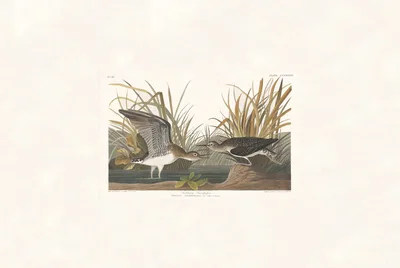
Solitary Sandpiper
$350
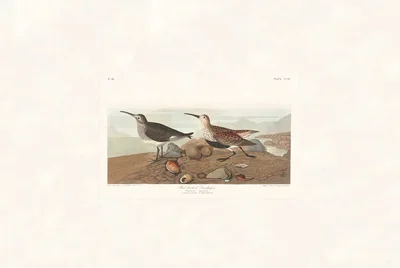
Red backed Sandpiper
$350
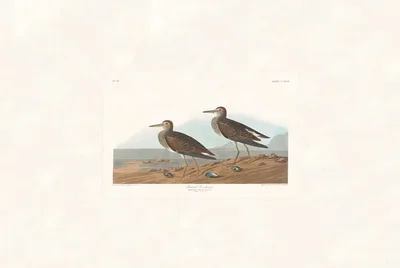
Pectoral Sandpiper
$350
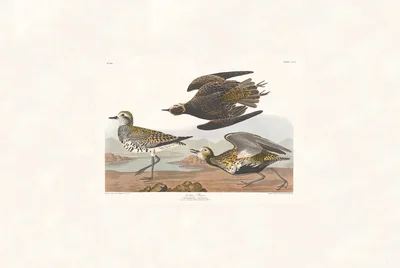
Golden Plover
$350
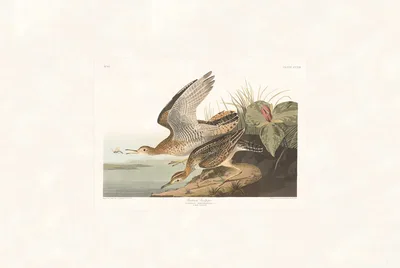
Bartram Sandpiper
$350
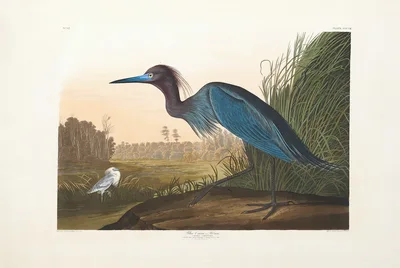
Blue Crane or Heron
$475
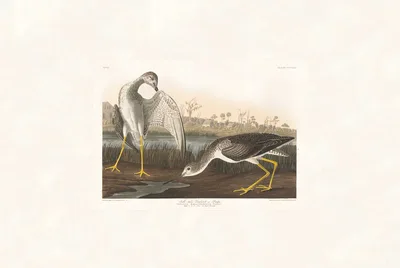
Tell-tale Godwit or Snipe
$350
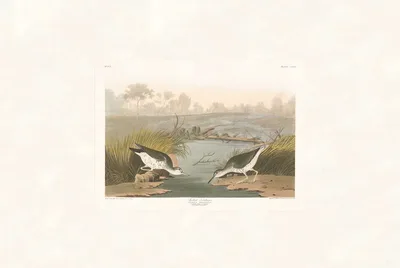
Spotted Sandpiper
$350
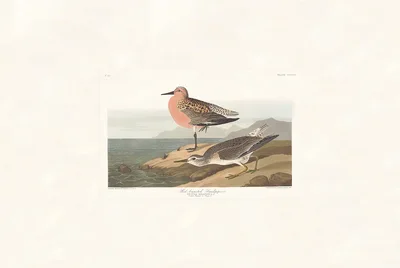
Read-breasted Sandpiper
$350
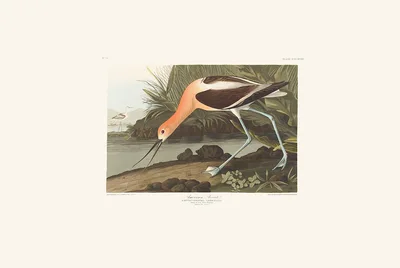
American Avocet
$350
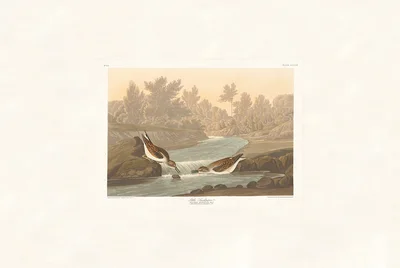
Little Sandpiper
$350
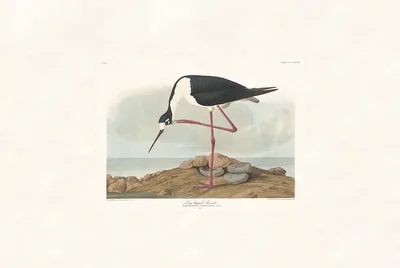
Long-tailed Avocet
$350
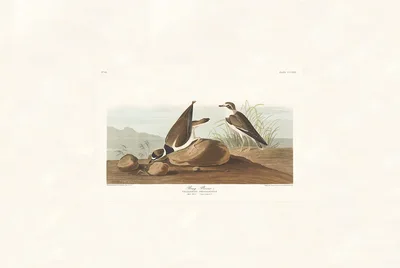
Ring Plover
$350
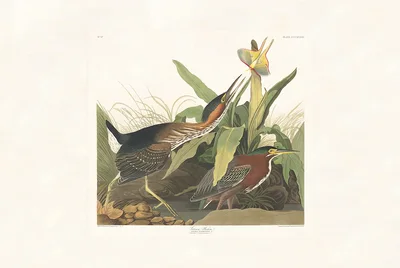
Green Heron
$350
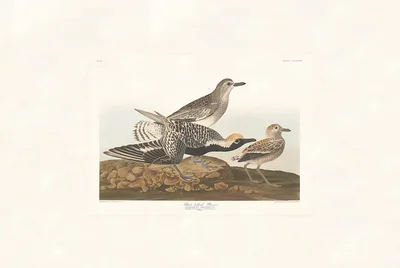
Black-belled Plover
$350
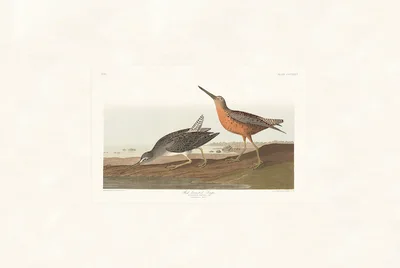
Red-breasted Snipe
$350
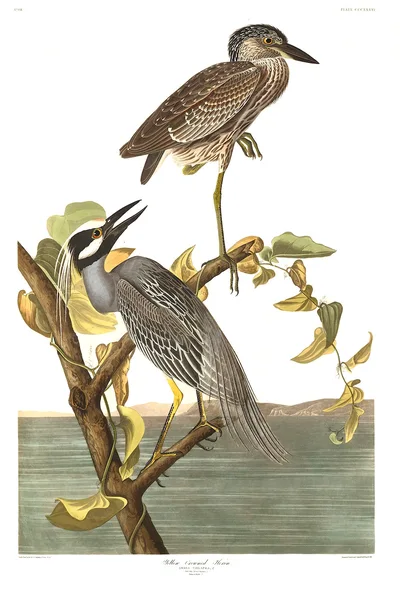
Yellow crowned Heron
$725
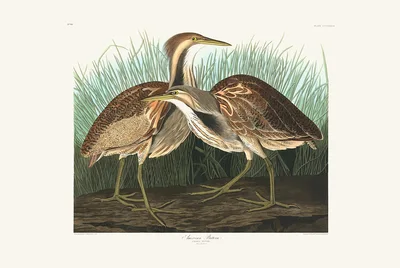
American Bittern
$475
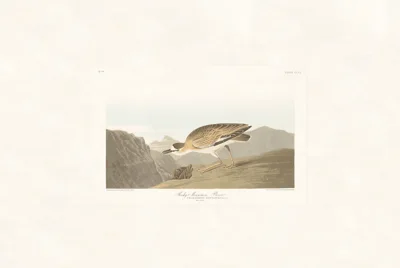
Rocky Mountain Plover
$350
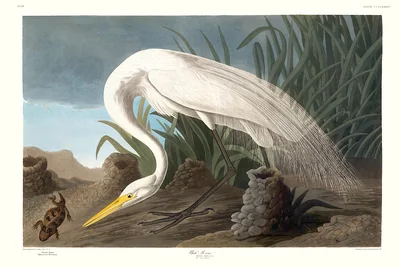
White Heron
$725
About heron and wading bird prints
Audubon was self-taught, but he understood composition. In his heron plates the necks, reeds and shorelines run on diagonals and S-curves, as in the Purple Heron and Reddish Egret of plate 256, and the Great White Heron of plate 281 is almost one long curve, with the roofs of Key West small in the distance. He showed each bird where it lives, the Yellow-crowned Heron in the branches where it nests, and where male and female or adult and young differ, he drew both. Audubon’s herons looks at these plates in detail. The Whooping Crane has two plates of its own, 226 and 261.
The smaller sheets come from other books: Johann Michael Seligmann’s eighteenth-century herons after Mark Catesby and George Edwards, the stork from Cornelius Nozeman’s Nederlandsche Vogelen, and John Gould’s Common Crane and Heron from The Birds of Great Britain and his Spoon-billed Sandpiper from The Birds of Asia.