
Butterfly and moth prints
Butterflies and moths by Edward Donovan, from his insects of China, India and Australia, and by Maria Sibylla Merian. Every print is a facsimile giclée at the size of the original sheet, limited to 250.
70 prints
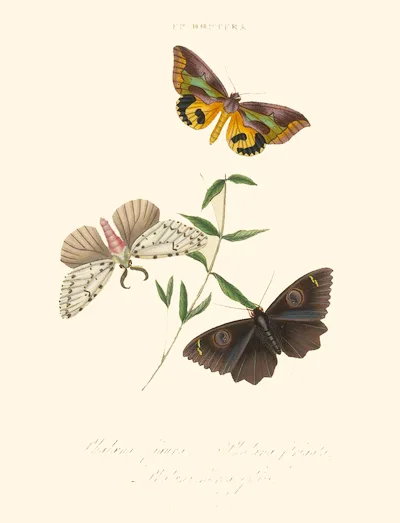
Lepidoptera – Phalæna figura
$165
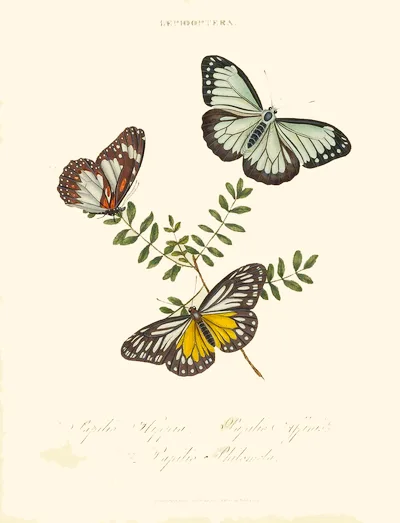
Lepidoptera – Papilio Hippia – Papilio Affinis
$165
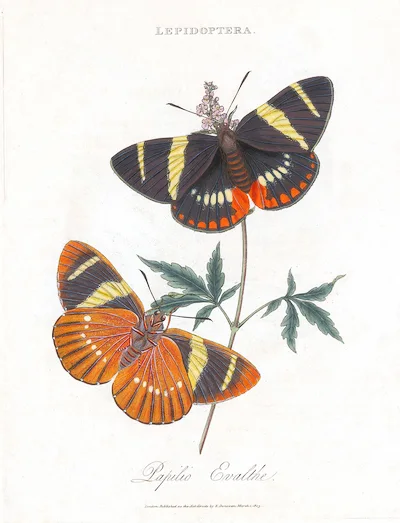
Lepidoptera – Papilio Evalthe
$165
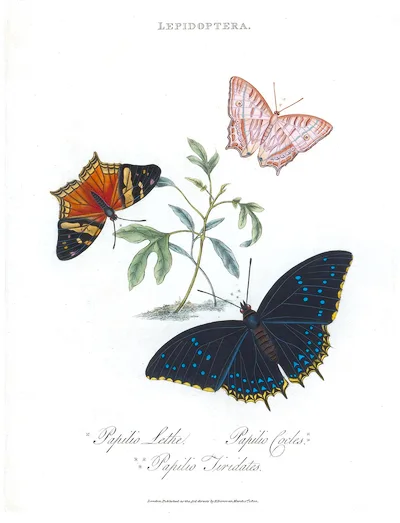
Lepidoptera – Papilio Lethe – Papilio Cocles
$165
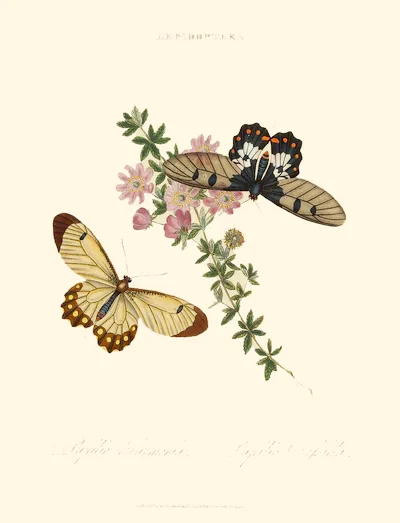
Lepidoptera Papilio Harmonia
$165
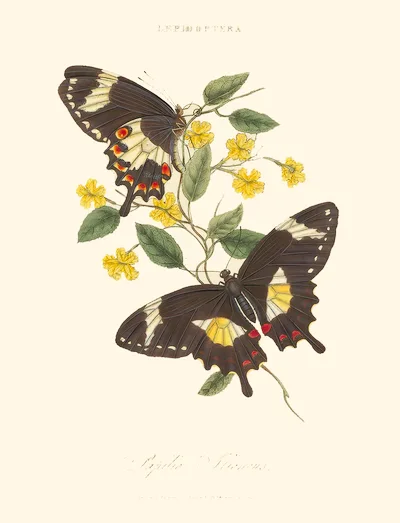
Lepidoptera Papilio Ilioneus
$165
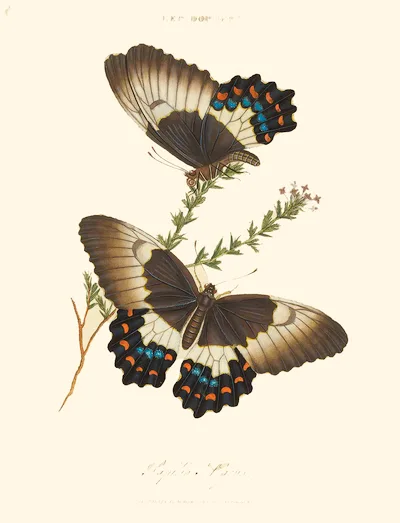
Lepidoptera Papilio aelig-geus
$165
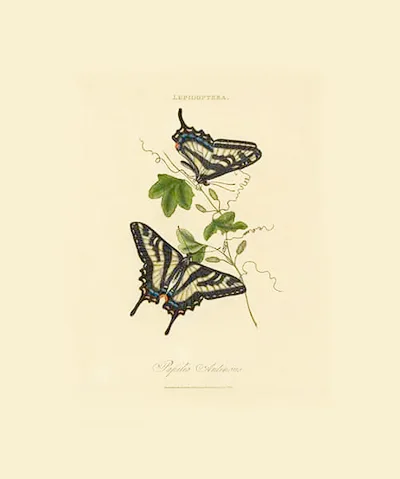
Lepidoptera Papilio Antinous
$165
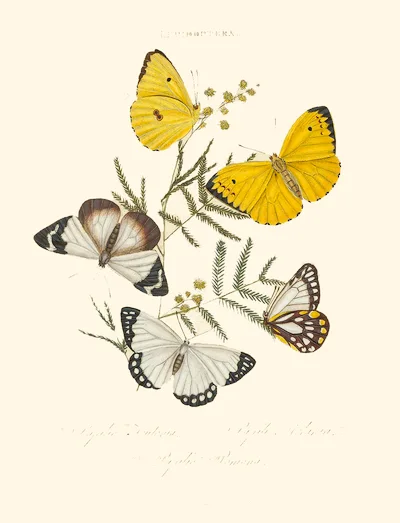
Lepidoptera Papilio Teutonia
$165
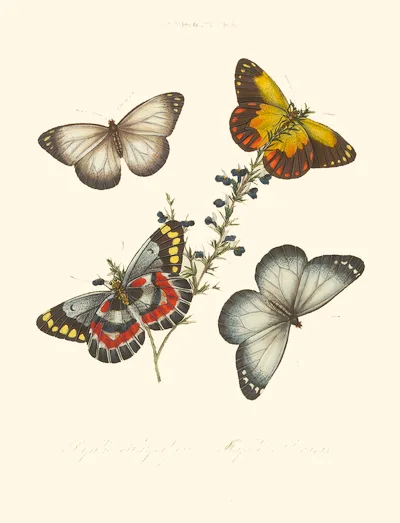
Lepidoptera – Papilio Harpalyce – Papilio Flexaris
$165
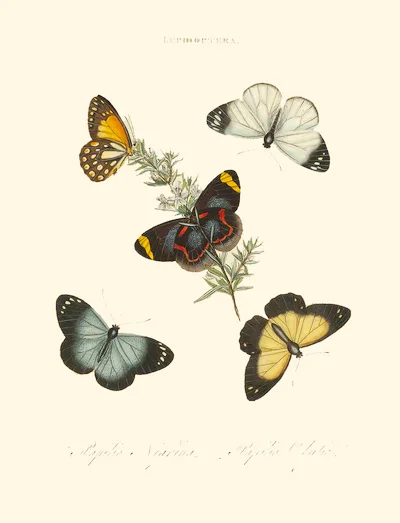
Lepidoptera – Papilio Nigrina – Papilio Clytie
$165
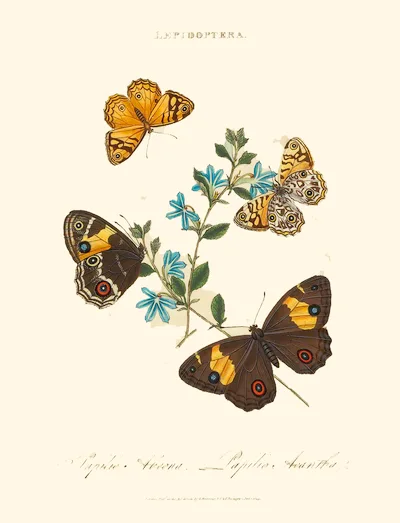
Lepidoptera – Papilio Abeona – Papilio Acantha
$165
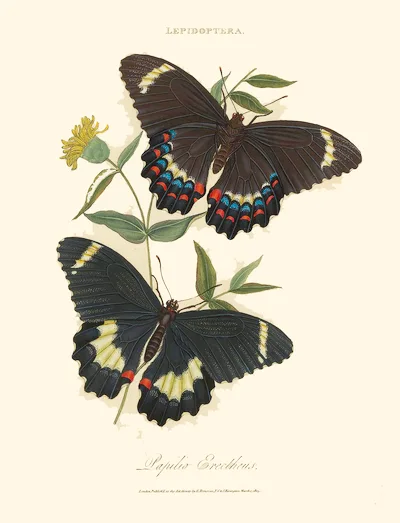
Lepidoptera – Papilio Erectheus
$165
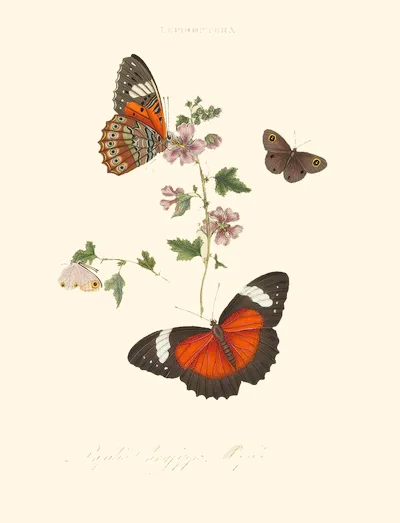
Lepidoptera Papilio Chrysippe – Papilio Arctous
$165
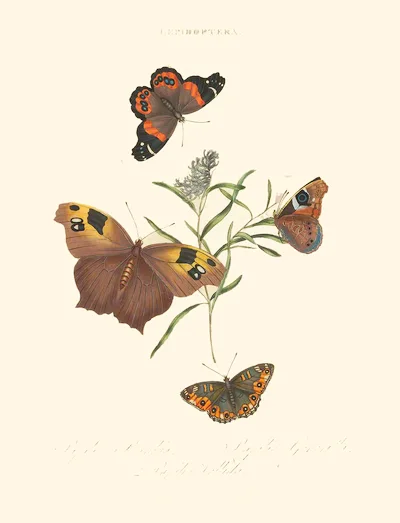
Lepidoptera – Papilio Bankia
$165
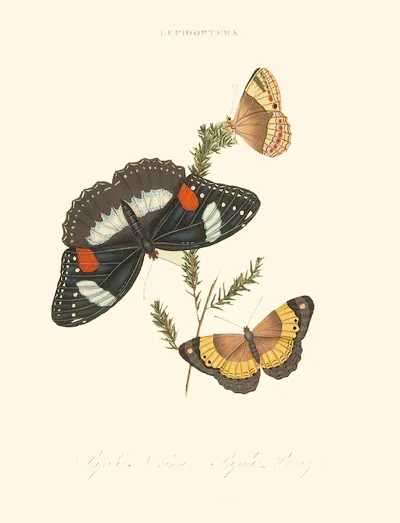
Lepidoptera – Papilio Nerina – Papilio Prosope
$165
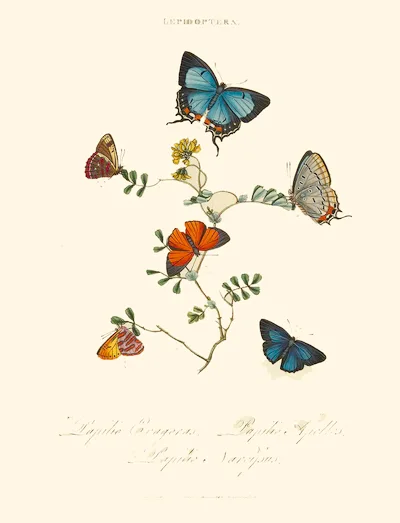
Lepidoptera – Papilio Evagoras
$165
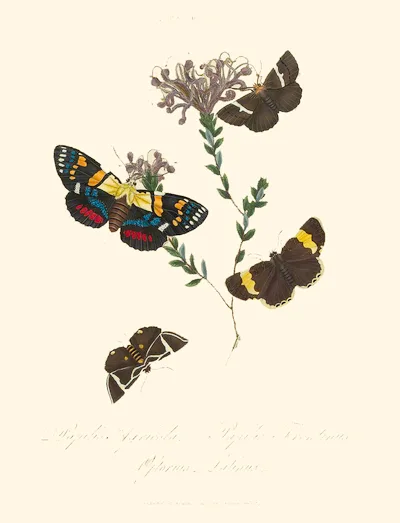
Lepidoptera – Papilio Agricola
$165
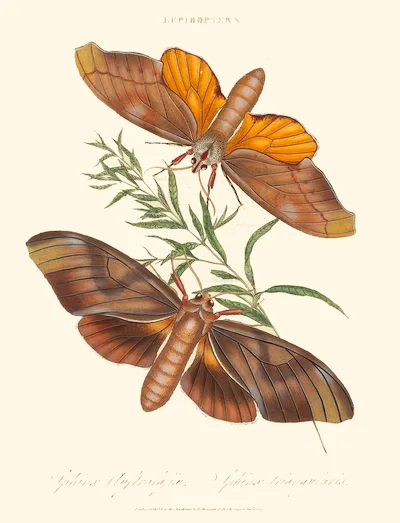
Lepidoptera – Sphinx Australasiæ
$165
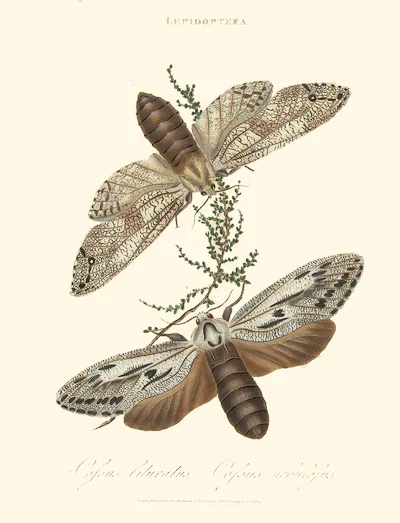
Lepidoptera – Cossus Nebulosus
$165
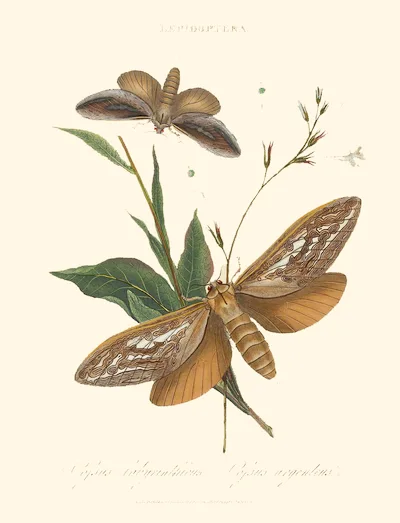
Lepidoptera, Cossus Labyrinthicus
$165
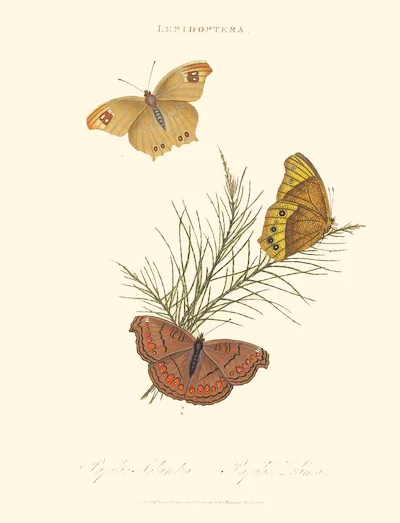
Lepidoptera, Papilio Solandra, Papilio Zelima
$165
About butterfly and moth prints
Maria Sibylla Merian and Edward Donovan worked almost a century apart. Merian bred the caterpillars she found in Suriname until the adult emerged, and drew every stage on the plant it fed on, so that caterpillar, pupa and butterfly or moth share one plate. Look for the Swallow-tailed Butterfly with a passion flower, or the Emperor Moth. Her Metamorphosis Insectorum Surinamensium first appeared in 1705; our prints follow the edition of 1719.
Edward Donovan, an Anglo-Irish naturalist, chose species that had not been illustrated before and set each one against a flowering plant of its country, in three books on the insects of China (1798), India (1800) and New Holland, as Australia was then called (1805). The swallowtails Papilio priamus and Papilio ulysses are from The Insects of India; The Insects of New Holland is dedicated to Sir Joseph Banks, whose collections and library he used.