
The most expensive Dutch book of its day
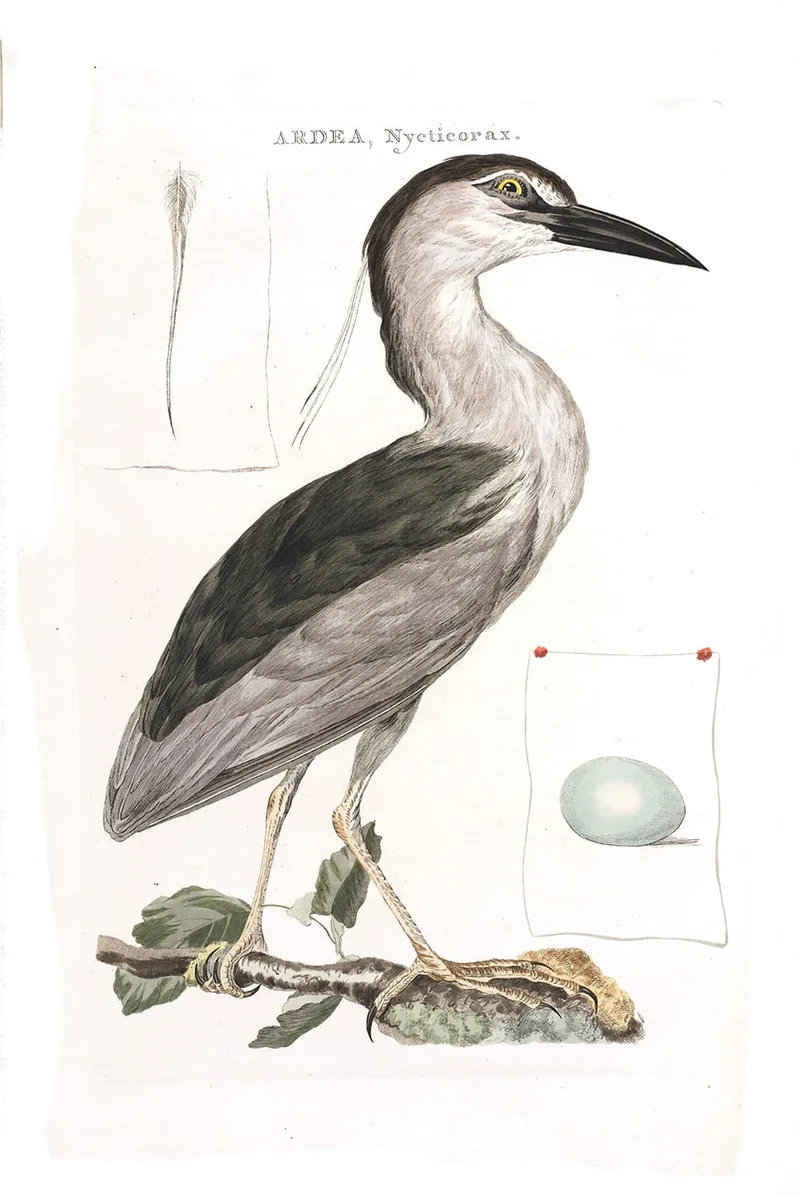
When the fifth and last volume came out in 1829, a complete Nederlandsche Vogelen cost 525 guilders, more than any Dutch book before it. The buyer got 250 plates of birds at life size, coloured by hand, with their nests and eggs, and a text that had taken three generations of one family and five authors nearly sixty years to finish.
The full title is Nederlandsche vogelen; volgens hunne huishouding, aert, en eigenschappen beschreeven: Dutch birds, described according to their way of life, nature and properties. It was the first comprehensive avifauna of the Netherlands, published in Amsterdam in parts from 1770 to 1829, and the plates show every species then known in the country, which from 1815 to 1830 included Belgium.
Nozeman and three generations of Sepps
The idea came from Cornelius Nozeman (1720 to 1786), a Remonstrant minister in Rotterdam who had collected butterflies and birds since his twenties. His life is told separately. He found his partners in the Sepp family of Amsterdam: Christiaan Sepp, an engraver with a naturalist's eye, who drew the birds and cut the plates, and his son Jan Christiaan Sepp (1739 to 1811), a bookseller and publisher who knew both natural history and engraving.
Death kept interrupting the work, and the book passed from hand to hand:
- Volume 1, 1770: text by Nozeman, plates by Christiaan Sepp, published by Jan Christiaan Sepp.
- Volume 2, 1789: Christiaan Sepp had died in 1775 and Nozeman in 1786, with most of his descriptions written; Jan Christiaan Sepp completed the plates and the volume.
- Volume 3, 1797: text by Martinus Houttuyn (1720 to 1798), the Amsterdam physician and naturalist.
- Volume 4, 1809: published after Houttuyn's death, without an author's name.
- Volume 5, 1829: completed by Jan Sepp (1778 to 1853), Jan Christiaan's son, with the help of Coenraad Jacob Temminck (1778 to 1858), the ornithologist who directed the national museum of natural history in Leiden.
Three generations of Sepps, then, over six decades, with draughtsmen, engravers and colourists behind them.
Life-size birds, nests and eggs
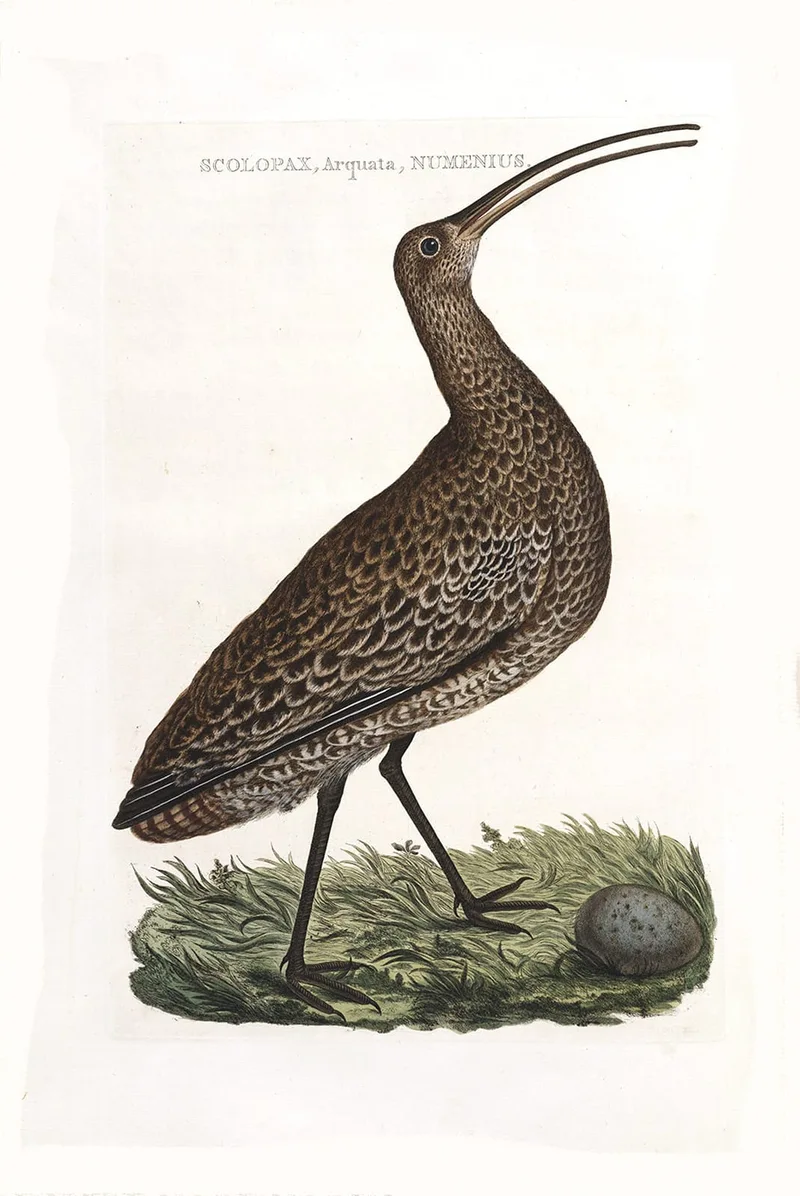
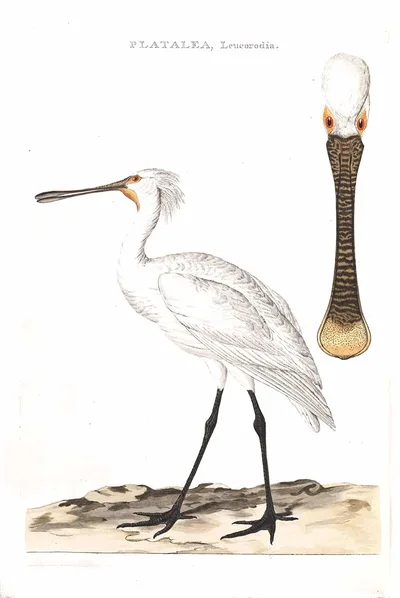
Nozeman and Sepp planned each volume as fifty plates, each showing a single species, at life size wherever the page allowed. Many plates add the nest and the eggs, and a few are given over to eggs and nests alone. The order of the birds is arbitrary: a species was drawn when a specimen came to hand, so a sparrow may follow a heron.
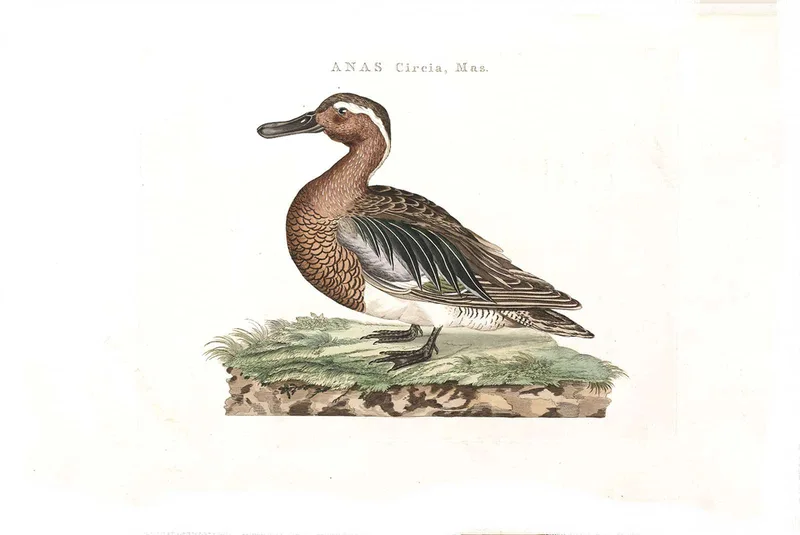
The plates have been admired ever since for their composition and their colour. Jean Anker, in his catalogue of bird books, praised the work for showing the birds in their natural surroundings and, as far as possible, in their natural attitudes.
an ornament to the age of Rococo
Thanks to the book we know which birds could be seen in the Netherlands in the eighteenth and early nineteenth centuries, and in what dress and company.
The plates from the Teylers copy
The Teylers Museum in Haarlem holds a complete copy in its library, and our Nozeman prints are made from it: 133 plates from volumes 1 to 3, each photographed from the original, proofed against it and printed for us by Re-Art Special Art Productions in Almere, at the size of the original plate. The edition is 250 of each plate, numbered in pencil, embossed with our blind stamp and with a certificate of authenticity; prints ship unframed, rolled in a tube.
Browse the plates by volume on Nederlandsche Vogelen, or ask about a complete set in a Solander box.
Four plates to start with
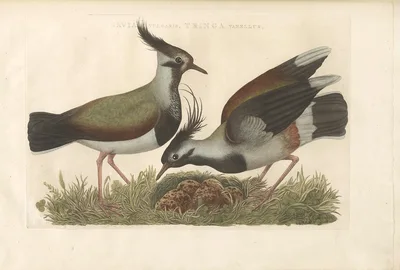
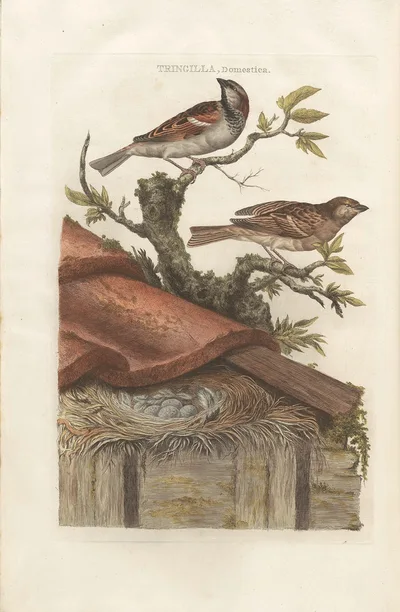
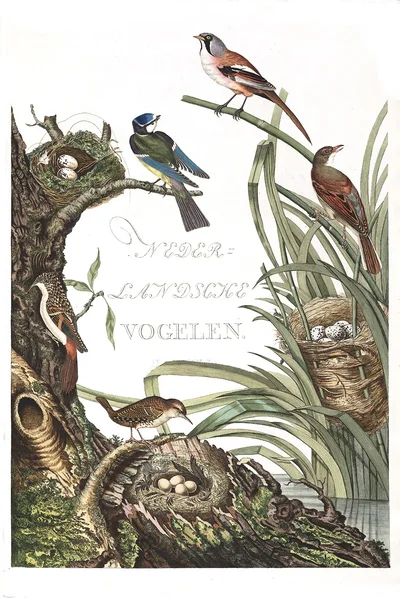
Questions
How many plates are in Nederlandsche Vogelen?
250 hand-coloured copper engravings in five volumes of fifty plates each, published in Amsterdam between 1770 and 1829. Heritage Prints offers 133 of them, from volumes 1 to 3.
Who made Nederlandsche Vogelen?
Cornelius Nozeman wrote the text of the first two volumes; Christiaan Sepp drew and engraved the first plates and his son Jan Christiaan Sepp published the work. After their deaths Martinus Houttuyn, Jan Sepp and Coenraad Jacob Temminck finished it.
Are the birds in Nederlandsche Vogelen life-size?
Yes, wherever the plate allowed. Each plate shows one species, often with its nest and eggs, and a few plates show only eggs and nests.